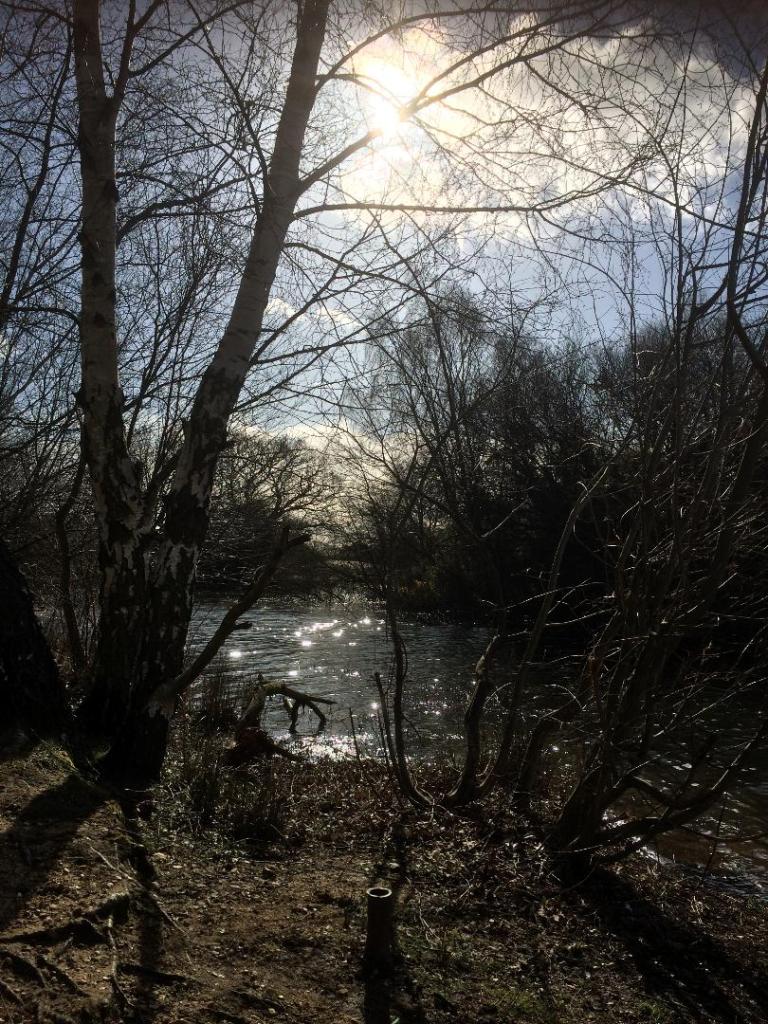
As I sat by the lake yesterday morning, I watched a rowing boat come loose from its moorings and drift aimlessly across the water.

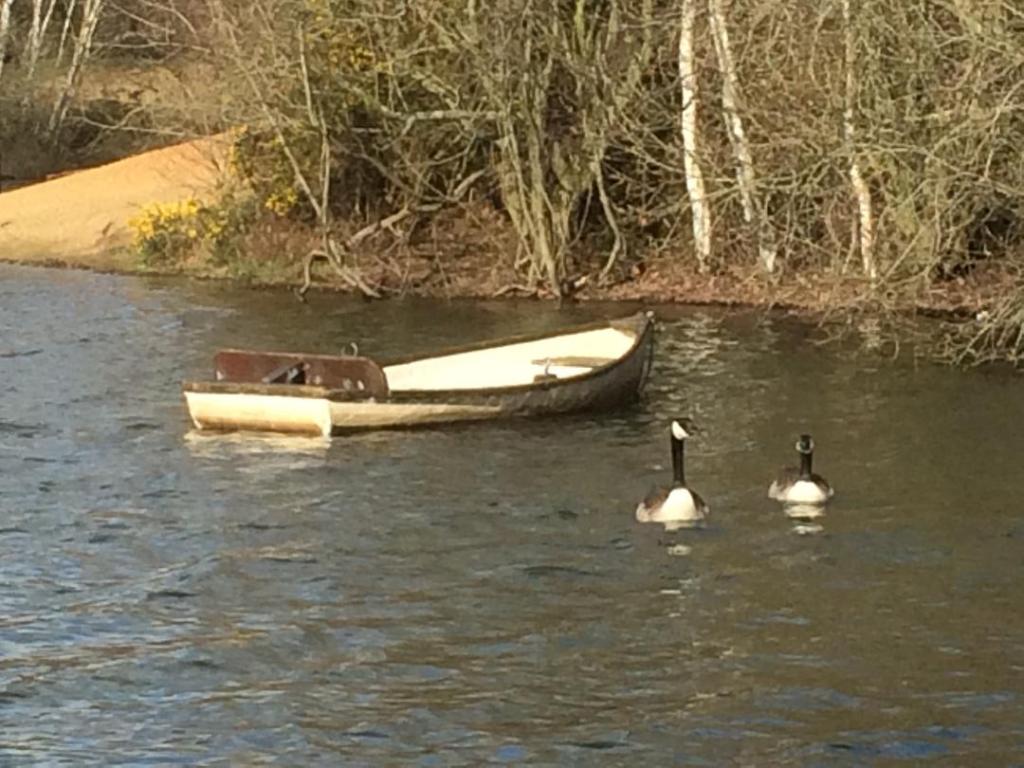
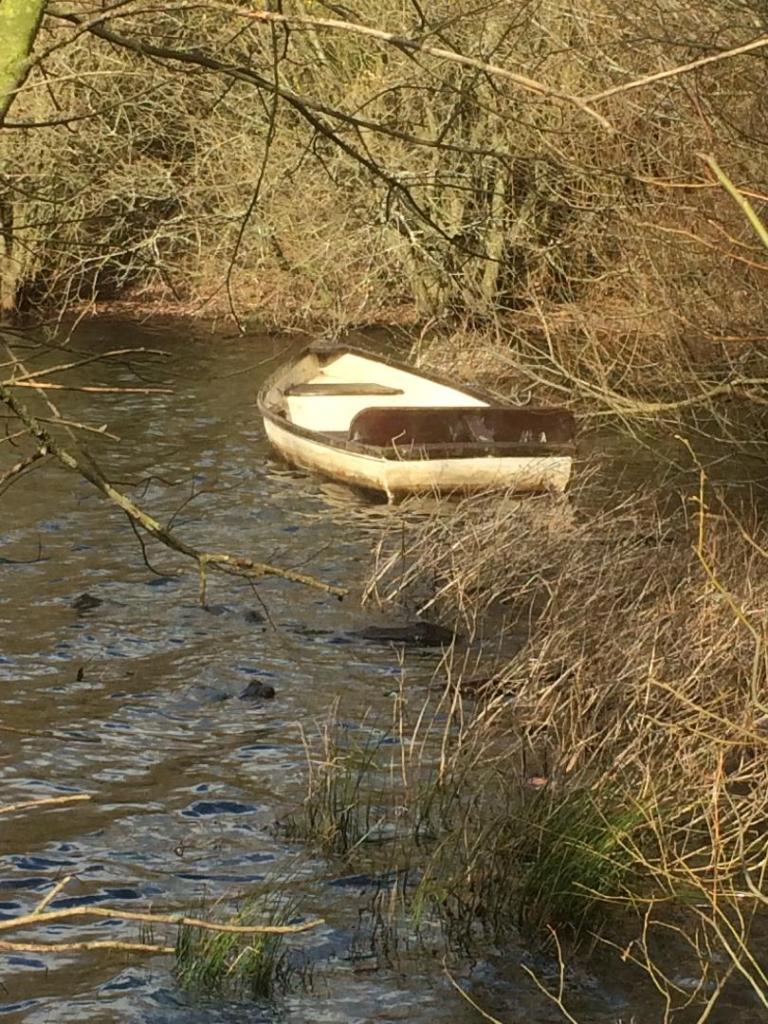
It moved extremely quickly from one side of the lake to the other, allowing the breeze to spin it, sometimes stern first, sometimes helm first. Waterfowl landed on it as it floated helplessly on the water before becoming entangled in the bushes in a part of the lake that is inaccessible other than by another boat.
And I was reminded of life. I thought how easy it was for anything, or anyone, to come loose from their moorings, lose sight of their destination and drift from day to day: year to year, without a proper plan.
I doubt anyone would decide to travel the world without a map or an itinerary of which countries they wanted to visit and in what order. And, if they did, I think their friends would be justified in thinking them foolhardy.
I also think it highly likely that they wouldn’t make it very far before they ran into trouble or out of money. Planning is everything! Yet how many of us actually have a life plan? An ultimate goal we want to achieve and steps we need to attain to get there?
That’s not to say that plans can’t change. They can – and probably need to – change as we progress through our lives. The person we loved as a naive teenager might not still be a match as we reach middle age; the job that satisfied us in our twenties, might have become mundane and cease to inspire us by the time we’re in our forties. Conscious change is good – and often necessary – for survival and growth.
Unconscious change however, is often driven by fear, or apathy, and can have dire consequences. The change of job that comes with redundancy and a frantic scrabble for any employment to pay the bills; the rebound marriage so that they won’t become a lonely old wo/man surrounded by cats and die alone, eaten by the aforementioned felines, the moving house when a loved one has died to get away from the memories. That’s not to say that major life events such as death or being made redundant, or being jilted, don’t have a huge impact on us and our circumstances. They do.
Many years ago, I knew a couple who’d lived in their magnificent Edwardian, six-bedroomed house for over 60 years, ever since their marriage. When the husband died in his late 80s, the widow immediately sold up and moved to a two-bedroomed flat nearby. And she hated it! For the rest of her life, which was a surprisingly long time, she bitterly regretted her decision. It had been based on fear of `rattling around in a sprawling house full of memories.’ How much happier might her last decade have been had she taken the time to be with her loss and look at her options: buy a smaller house perhaps, or move her son and grandchildren in with her, or even learn to live in the big house on her own or with a companion?
Alternatively, some years ago, my husband was made redundant. He was offered several different jobs within the same organisation but none of them was what he really wanted to do. It would have been easy to drift into one of them but, instead, he took six months to look around and find something that really inspired him. Money was tight for that time but it was worth it for him to have job satisfaction rather than coming home miserable and frustrated every evening.
It’s never too early to start planning our life, neither is it ever too late. Even if we’re given a terminal diagnosis, we can plan how we want our end of life to be: a hospice or at home; surrounded by our entire family or just that one special person; music playing or watching a favourite film; flowers around us or photographs? Of course, the Universe has a habit of thwarting our plans – if you want to make God laugh, tell her your plans – but even then, we can choose how we want to be with it. Do we want to rail against the world, or accept what’s happened with serenity?
It’s our life and we can choose to manage it consciously or drift aimlessly through, and out of, it.
I encourage you to choose your path consciously and wisely. And make sure you steer your own boat – or risk ending up tangled in the bushes!

 Reiki in Wanstead
Great post 😁
LikeLiked by 1 person
Thank you very much. xx
LikeLiked by 1 person
Thank you so much for your comment. xxx
LikeLike
Nicely written especially with the analogy of the boat.
LikeLiked by 1 person
Thank you very much. Pleased you enjoyed it.
LikeLiked by 2 people
Thank you so much for liking my piece. xx
LikeLike