Sense and Sensitivity!

Seagulls over the lake.

It was a wonderfully blustery day today. I sat by the lake with the wind blowing in by face and I felt like Kate Winslett on the bows of The Titanic. Fabulous! Fortunately there were no icebergs drifting across the lake so I was fairly confident that I’d survive the gusting winds of Storm Gareth. I sat for a long time, just enjoying the sensations, before beginning my healing meditation.
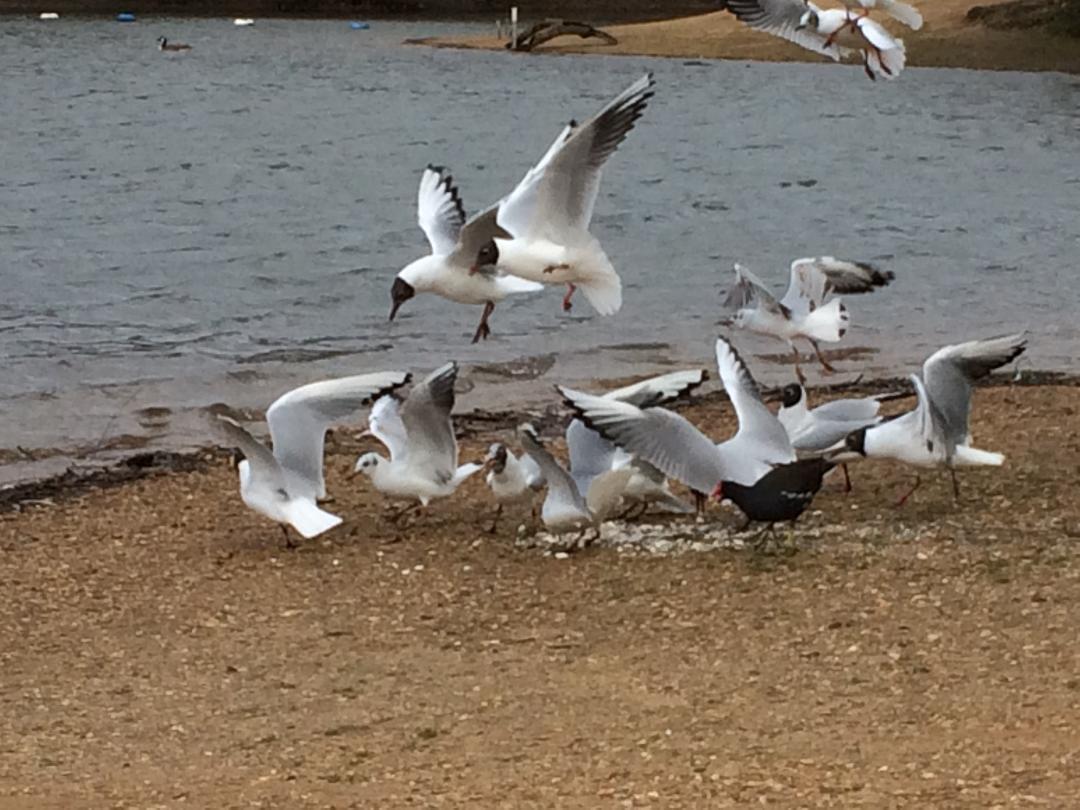
And fighting over some bread that had been left.

When I send distant Reiki, I experience feelings and tingling in my hands and body depending on the condition and mindset of the person with whom I’m connecting. Sometimes I see colours in my mind’s eye relating to the chakras – the energy centres that run the length of the spine and relate to different emotions and organs of the body.

I’m reminded of the time a friend asked me to send Reiki to her nephew who was only three years old. He’d been taken ill with meningitis while on holiday. Let’s call him Leon. When I visualised Leon, I experienced a pain in one side of my head but not the entire skull as I would have expected with meningitis. I then saw a bright, almost electric blue colour behind my eyes which I knew was the colour of the throat chakra (Vishuddha) and represented the centre for expression and communication. I told my friend my experience and she told me that Leon’s diagnosis had changed; he didn’t have meningitis – he’d had a stroke and lost the ability to speak. Aged three!

I continued to send Reiki to him throughout his recovery but after a while, the bright turquoise colour in my head changed to pitch black and a heaviness came over me as I focused my mind on little Leon. When I reported this to my friend she told me that, although he was recovering, he was deeply depressed because of his lack of speech. I’m delighted to say that Leon is now 10 years old and has made a full recovery but it never ceases to astound me how energies can be felt over hundreds of miles.

A Cayuga Duck – hanging with the mallards.

Being sensitive has many meanings: it can mean being sensitive to chemicals in cosmetics, or having our feelings easily hurt, or being intuitive. When practising Reiki it’s important to remember that while we, as therapists, need to be intuitive and sensitive to our client’s energies, we also need to remember to respect their feelings and to be discreet.

When I teach Reiki courses, I find friends who will act as volunteer clients for my students. They give up an hour of their time to receive a free treatment and the students get to practise on real live people with real live aches and pains and medical conditions. It’s win:win!

One student I taught was exceptionally sensitive. She managed to identify several old injuries my volunteer friend had had over the years but then, when offering feedback at the end, she began telling her about her private life. I had to intervene and draw her back to her purpose. I have no doubt that my student was extremely accurate but my friend had come for a Reiki treatment not a psychic reading.

People who are sensitive to energies can and often do pick up on all manner of private matters that we all carry around with us all the time. But it’s crucial that we exercise common sense.

It would have been completely unprofessional, inappropriate and downright unwise for me to have told Leon’s aunt that I disagreed with the doctor’s diagnosis of meningitis. When a male client came because he was having trouble sleeping, I felt a strong urge to urinate and sensed a great deal of heat around his root chakra (Muladhara). When I asked if the reason he couldn’t sleep was because he had to keep getting up to pee, he said yes. My role was then to refer him to his GP. It was not up to me to tell him that I suspected prostate cancer. For me, Reiki is like life: it’s about knowing my limits, respecting others and, very often, keeping schtum!

Being sensitive is a great gift but having common sense is an even better one.
Opening the heart 


If our brain is the control centre of our body, then the heart is our throbbing motor. It pumps the oxygenated blood to every extremity and organ: it’s our life force. But it also has a huge part to play in our emotional well-being. In energy terms, the heart centre or Anahata Chakra, is the divine centre of ourselves. It’s where we hold love, compassion and kindness – both for ourselves and others. No wonder then, when the energy around that area gets blocked, it causes massive problems – physically and emotionally.

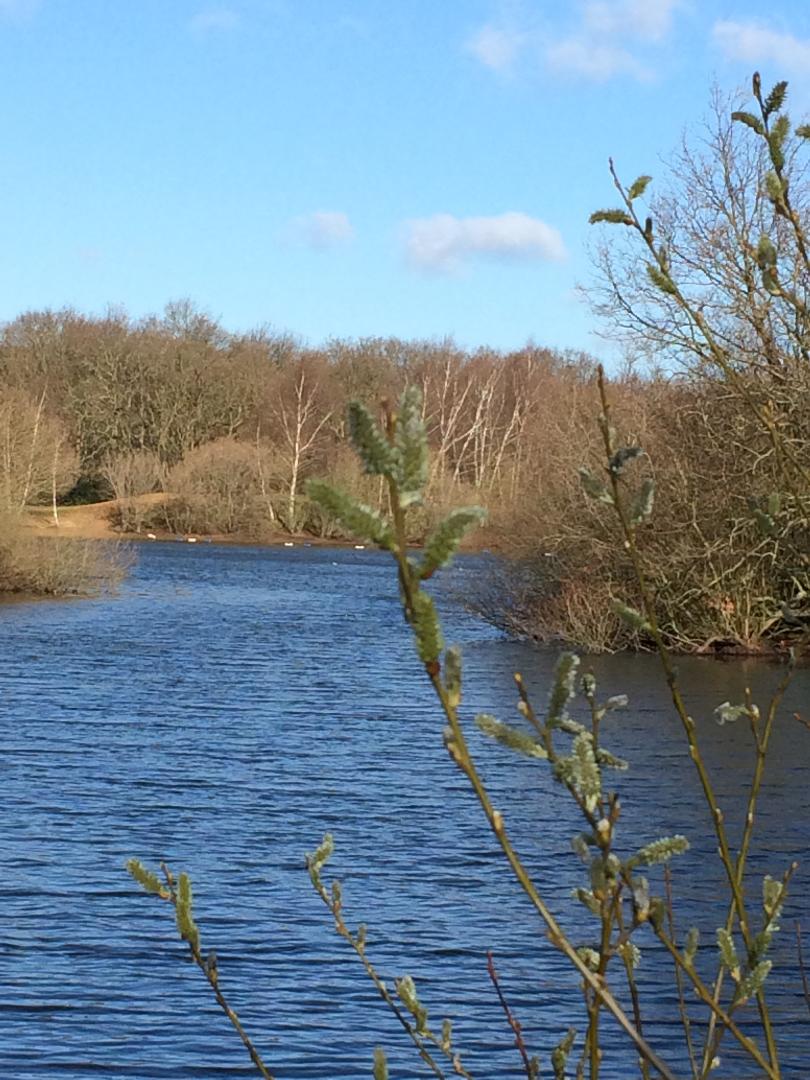
Hazel catkins.

I remember one client who had had a very difficult childhood and, in order to escape her parents, had drifted into a loveless marriage when she was quite young. I’ll call her Ruth. When I saw Ruth she was well into her forties and had had a string of affairs. Her face was pinched and she had all manner of, at this stage, minor ailments. When I talked to her prior to treatment, Ruth said everything in her life was fine. She insisted that she was happy and had accepted her relationship for what it was: a base for bringing up the children, nothing more. She was even going back to studying – ironically, as a psychotherapist to try to help other people.

As I began the Reiki session, I could feel that her head was fizzing with activity. But, as I moved down her body, I could sense very little energy radiating from her at all and, when I reached her mid chest, the area around her heart centre was icy cold. I’ve never felt anything like it before or since.

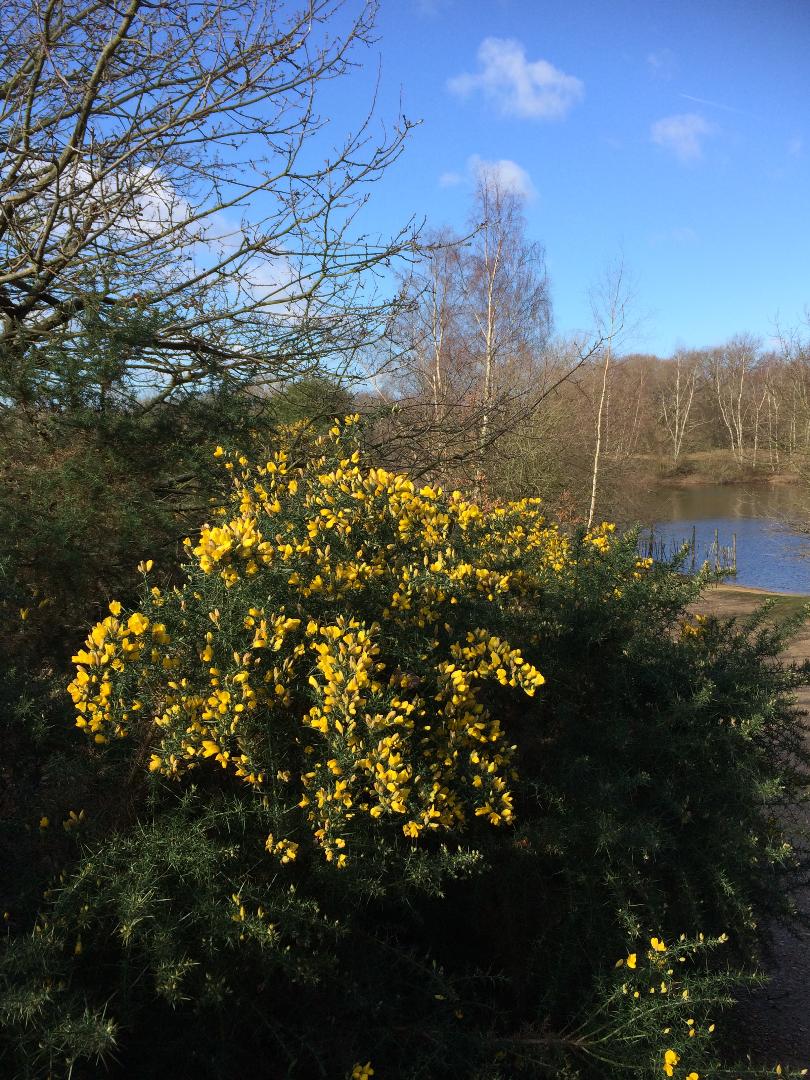
The gorgeous gorse this morning.

I tried everything I could to balance her chakras, pulling energy down from her head to her heart and then up from her base to her heart – but nothing worked. Ruth’s Anahata Chakra remained well and truly blocked. No wonder she felt out of sorts. Had I known about ThetaHealing at that time I might have recommended a course but I didn’t so we continued with Reiki.

After one session when I’d felt a slight increase in activity around Ruth’s heart centre, we were discussing what was going on in her life. She confided in me that her brother, the person she loved most in the world after her children, was terminally ill. Ruth broke down and began sobbing. I let her cry and, when she looked up, her face was radiant. There was colour in her cheeks, her features were soft and even her voice was more gentle than before. As she stood up, she said she felt dizzy so sat down and, as she did so, I saw her face change again. It was like watching an actor putting on a mask. She once more became harsh and pinched and, as she left, she said she wouldn’t be coming back. Ruth had opened up and allowed someone to see inside – and it had clearly terrified her.

I sometimes wonder about Ruth and what she’s doing now. I hope, for the sake of her clients that she’s learned how to open her heart to herself and others. Going through life pretending that everything is `fine’ is not being authentic. There are times when all of us have good times: great times even. When we’re blissfully happy and things are going well. But it’s not realistic to pretend that life’s like that all the time. We all have difficult times – some more than others – and it’s OK to acknowledge that. I recommend that we all open our hearts and express our feelings. Perhaps not all the time – I’m not sure it would benefit us or our local community if we all walked around bawling our eyes out – but when we’re in a safe place with people we trust. And once our fears, sadness, loneliness, depression, anger and all the other emotions that are judged to be `negative’ have been expressed, there’s room for joy, happiness, love and kindness.

Alder catkins.

Bottling up our emotions, pretending everything’s fine when it isn’t is like sweeping dust under the carpet; eventually, that rug will rot!

This lady IS for turning!

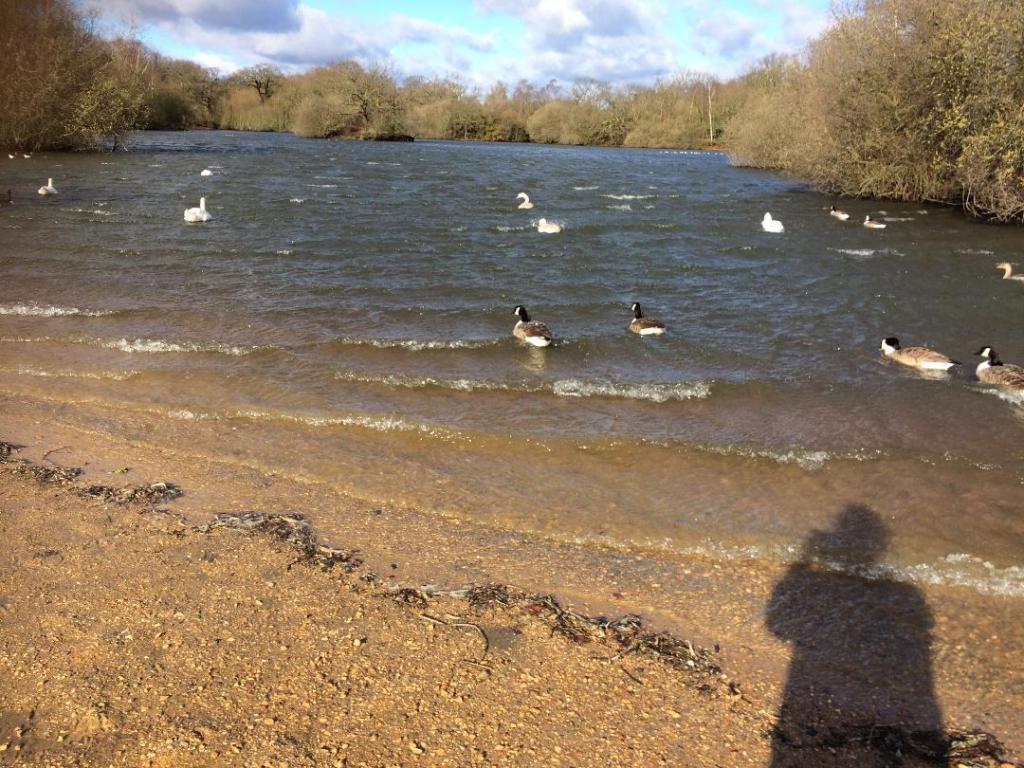
White caps on the lake this morning.

Changing our minds is often referred to a `a woman’s prerogative’. The underlying intimation being that women are indecisive, flaky even. I shall resist making comment about the origins of this old adage because I see the ability to do a U turn as a strength. It demonstrates flexibility and the ability to admit that we might have made a mistake (perish the thought that we might be human!) or even recognised that things weren’t working the way we wanted.

It’s been a busy week so I haven’t been over to the lake as much as I’d have liked so, this morning, off I went eager to sit and contemplate the world and send distant healing to those who are physically or emotionally in need. As I drove over there I noticed all the twigs and branches strewn across the road – but I carried on. The car was buffeted around like a balloon on a string – but I carried on. When I arrived at the lake I saw a runner struggling against the wind, his face in a grimace of effort. But did I turn round and go home? Of course not. I was set on my course and nothing was going to defeat me.

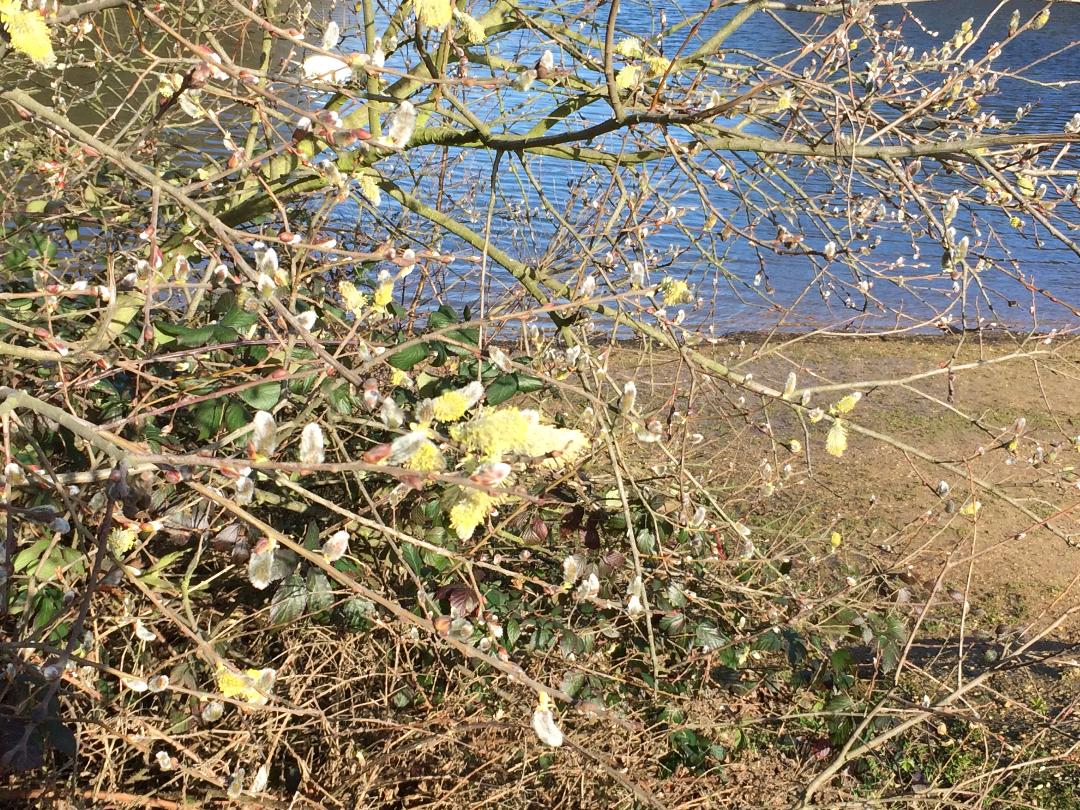
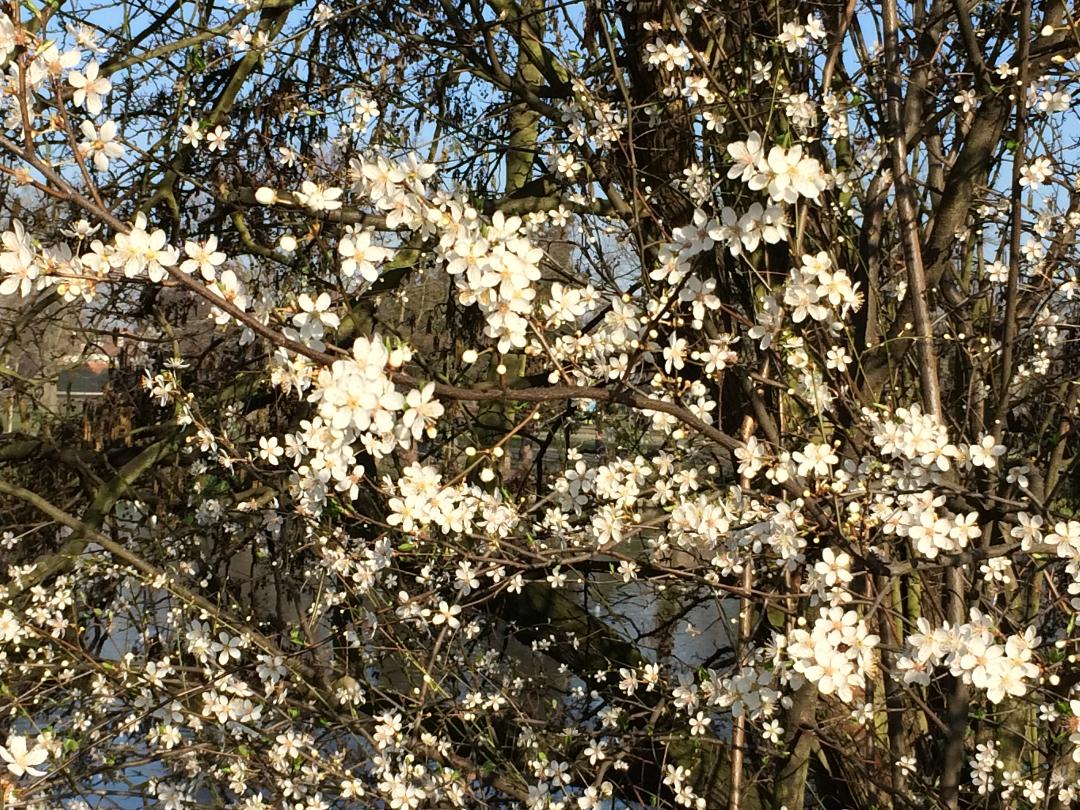
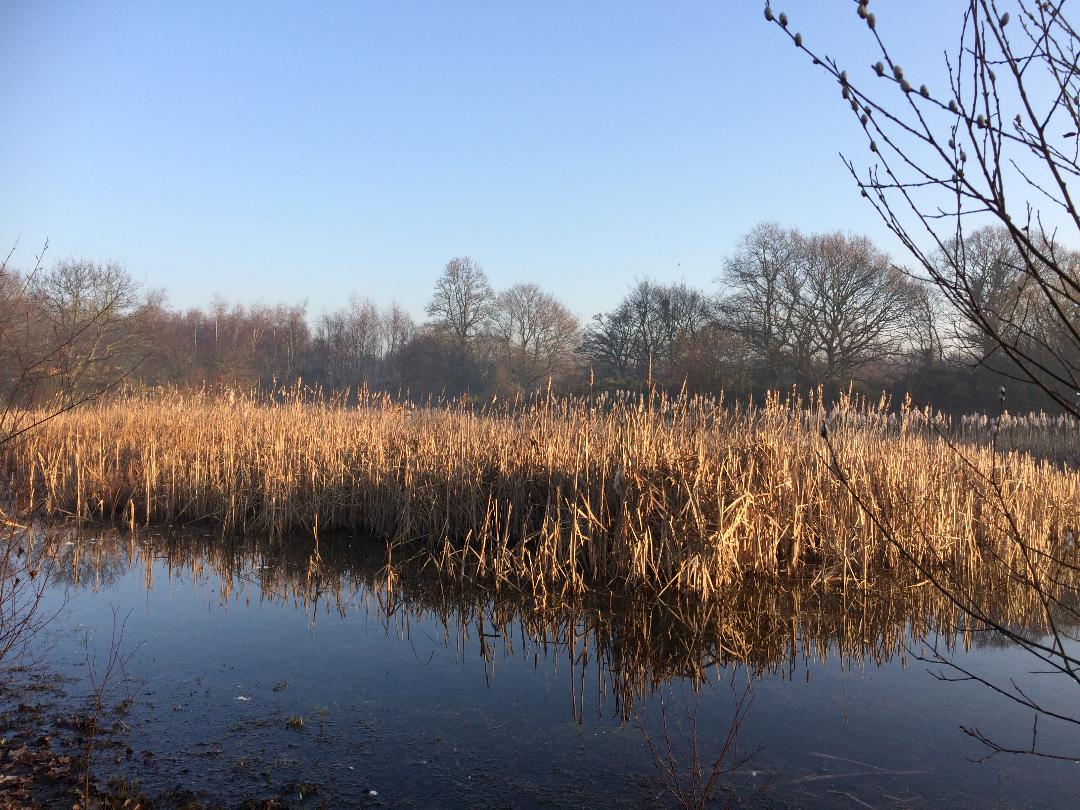
Blossom by the lakeside.

When I found my spot on the bank, I tried to put down my cushion, but it blew out of my hands – three times. So I decided that, this morning, I would meditate standing up. Mother Nature had different ideas however. Despite my best efforts, I was blown backwards several times before I realised that I was denying the reality of what was happening around me. There was no way I was going to do my meditation and healing outdoors today. So I came home to do it.

How many times have we ignored the signals, dug our heels in and stood our ground even though we knew something wasn’t working? They always say, the first sign of madness is doing the same thing over and over again and hoping for different results. There is absolutely nothing wrong with changing our minds and doing something differently. It’s part of evolution. Survival, not of the fittest, but of the most flexible.

I had a client, years ago, who suffered dreadfully with back pain. At one point he even ended up on two sticks, barely able to walk. He was a sportsman, he ran, did weight training and was incredibly physically strong – but he was rigid both in his body and his attitude to life. He was a lovely man but he knew how things `should‘ be. He was certain about what was right and what was wrong. I used to tease him that Stubborn was his middle name. There was no wonder his back – the part of the body that supports us – had seized up.

I’m delighted to say that, over the years, he’s opened up to possibilities and is more flexible both in his mind and body. It’s never too late to embrace new possibilities and change our attitudes. In fact, it’s positively healthy. And how do I know he’s changed? Because….

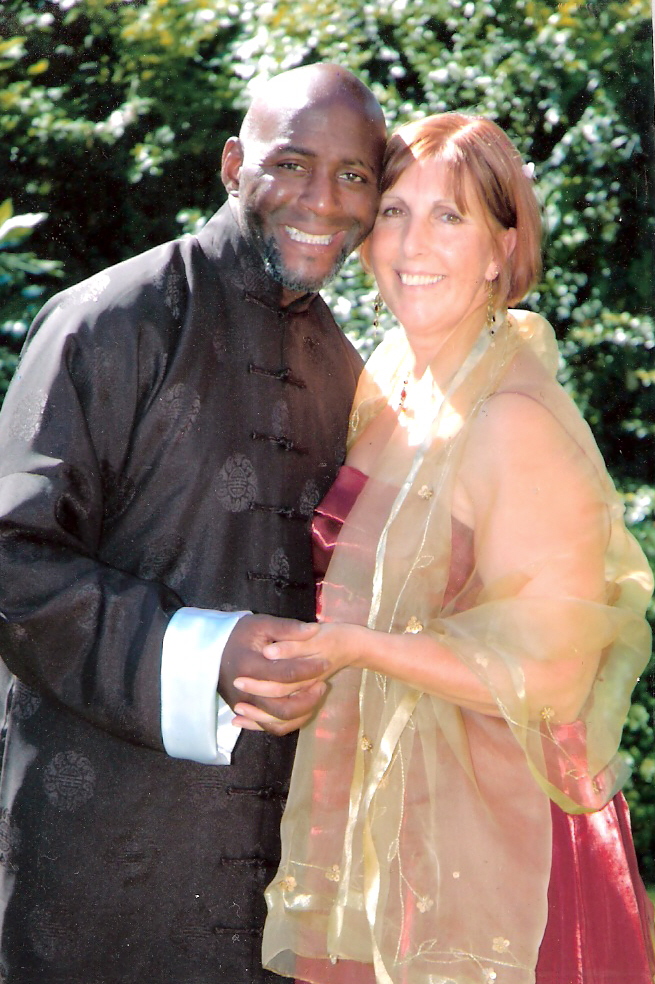
Reader, I married him!

Give it up for Mardi Gras, Rosenmontag and Pancake Day!

Mardi Gras – literally translated as Fat Tuesday – is the celebration to mark the last day of indulgence before the six week period of abstinence known, in the Christian calendar, as Lent. Lent means, simply, spring. It comes from the Anglo-Saxon word lengten which in itself is from the German, Lenz: spring.

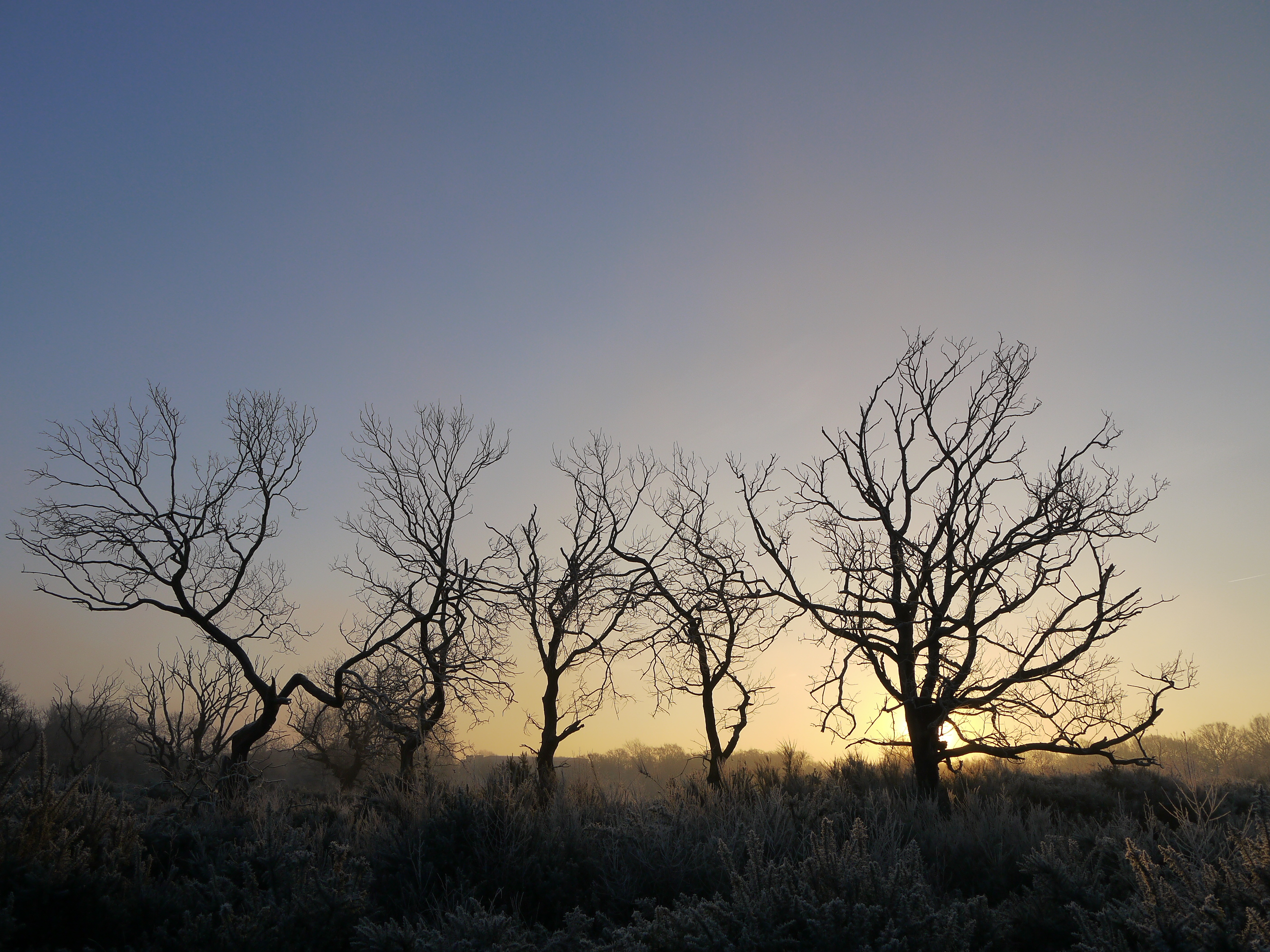
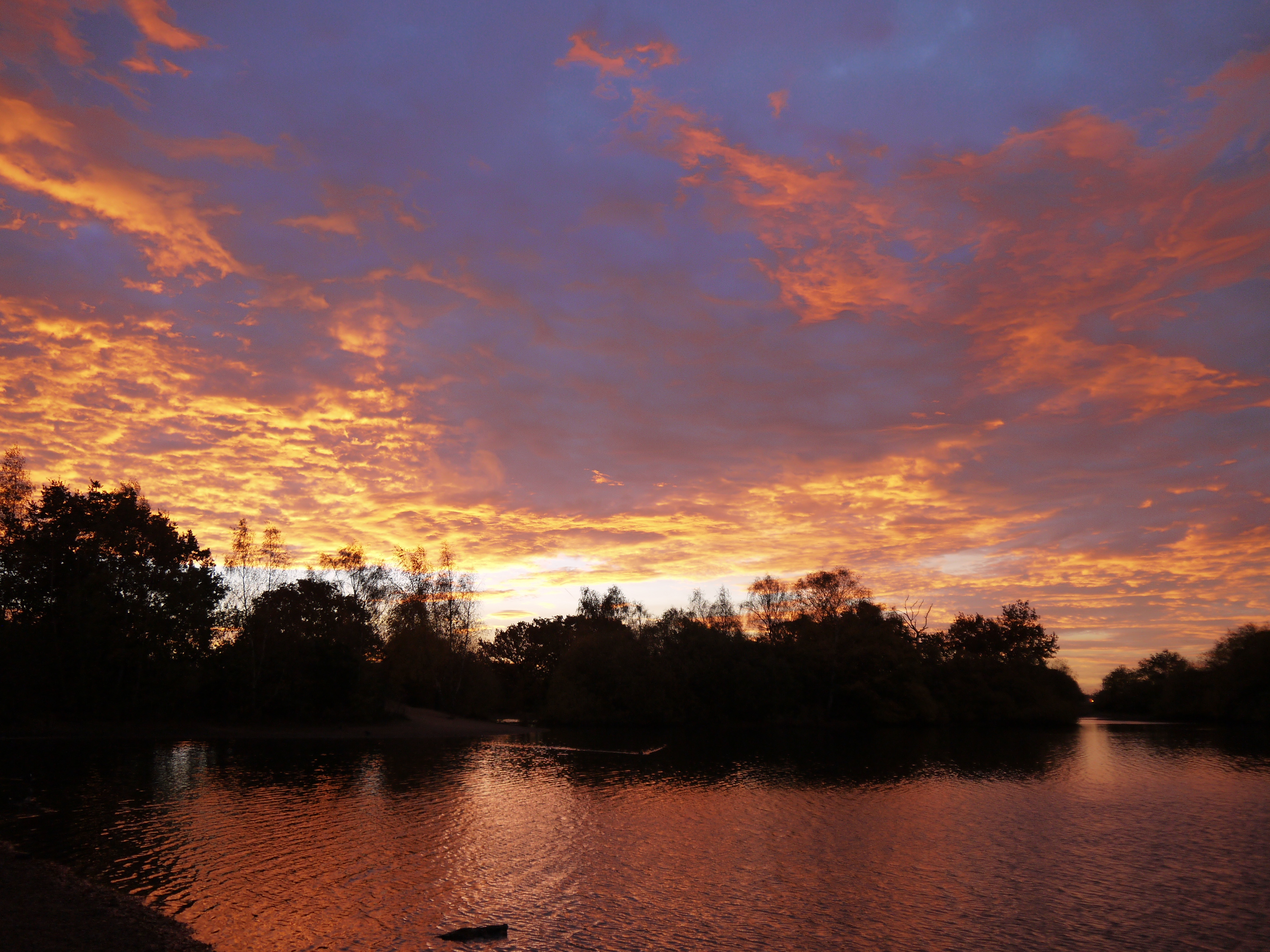
Sunrise over the lake.

It’s traditional to give up something we enjoy during Lent. Nowadays it tends to be chocolate or wine – or even our iPads. But originally it was eggs – hence the pancakes to use them up. Why? Because, in the days before intensive farming, spring was when chickens had a break from laying. So the cynical side of me thinks: no real hardship then, giving up something that wasn’t available anyway.

There are equivalents to Mardi Gras all around the Western World. In England we have Pancake Day or Shrove Tuesday. It was supposed to be a day to use up all the eggs in the house before the long fast. But one day of tossing pancakes is somewhat low key compared to Mardi Gras: a two week extravaganza of hedonism and carnival before the Lenten shut down. In Germany, the party can go on even longer. Karneval or Fashing can begin at any time from November 11th and it runs right through to Lent, culminating in Rosenmontag, the Monday before Ash Wednesday. Rose, in this case, comes from the dialect word roose, meaning to frolic, rather than the flower or the colour.

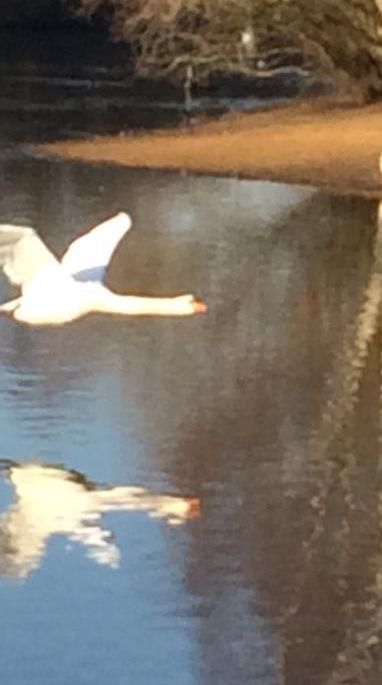
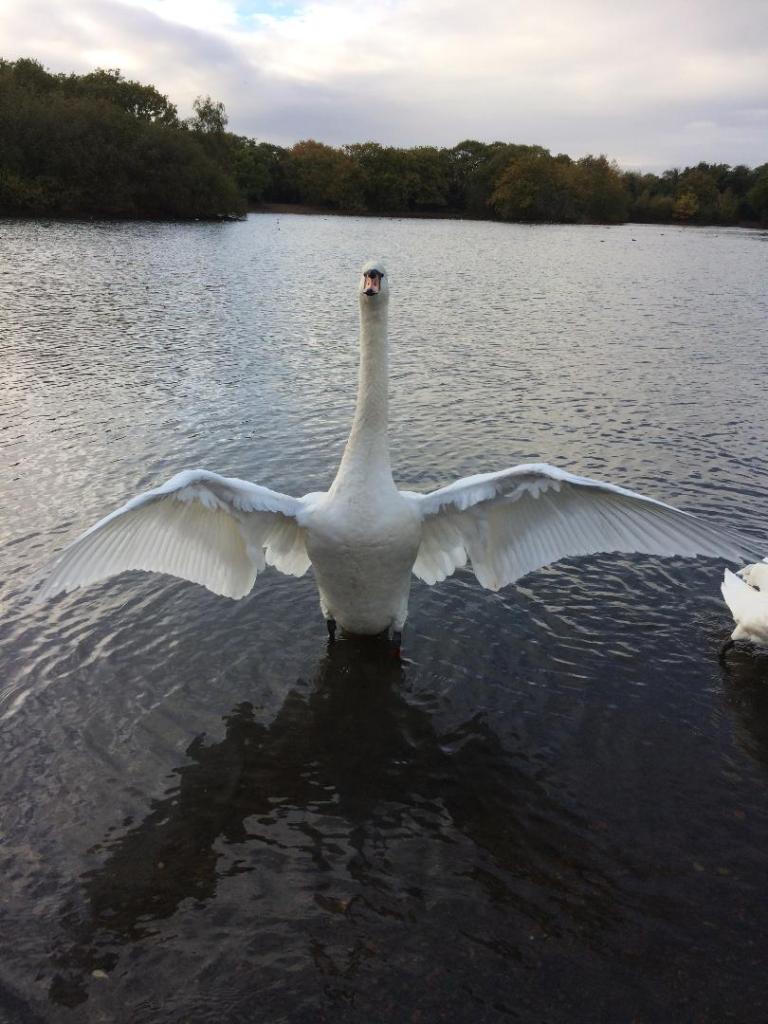
A blurry action-shot of a swan coming in to land.

But, whatever you choose to call it, the period leading up to Lent is all about indulgence. Building up the carbs/units/sins before the big penitence of Lent. Stuffing ourselves before the cleansing of our souls; the repenting of our sins. I’m reminded of when I used to smoke – every time I decided to give up (and there were many!) I would smoke like a chimney the day before as though that would tide me over the initial withdrawal symptoms. It didn’t. Or, when I signed up for a slimming club (again, too numerous to count) and then ate myself stupid beforehand in the bonkers belief that if I’d put on last minute pounds, they’d come off more easily once I started the diet.

Oh how we kid ourselves into justifying our daft behaviour!


I don’t follow any organised religion but I often use the period of Lent for a personal challenge. Usually a detox or abstaining from wine. This morning, as I sat by the lake, I wondered what I wanted to do this year. I’m already on (another!) weight loss programme – which is going well at the moment – so my consumption of both food and wine is greatly reduced. I haven’t smoked for decades and I don’t have an iPad – although I do have an iPhone but that’s my link to my children and grandchildren. So absolutely no cutting that out.

As I pondered from what I should abstain this year, I realised that abstinence and penitence seem rather like punishment words to me. And I don’t want to punish myself. Giving up smacks of deprivation. The word shrove, as in Shrove Tuesday, means confession – clearing out our consciences of all our misdeeds before six weeks of remorse.

The majority of my clients are punishing themselves for some minor transgression – usually in childhood – and have carried the guilt all their lives. And it comes out in their bodies. A client with neck and shoulder stiffness has taken responsibility for younger siblings and/or parents and now beats themselves up for not having done more. Someone who had a wild sex life when they were younger and now feels guilty finds it coming out in out in all sorts of gynae ways. We really don’t need to continue punishing ourselves for past – or present – mistakes.

I’m someone who prefers to use a carrot rather than a stick. So I decided that, this year, for the spring period up to Easter, I wouldn’t give up anything: instead I would add something to my life. I’m going to pledge to do yoga every day. I used to do yoga far more frequently than I do at the moment – of late I’ve found the confines of the duvet far more inviting in the morning. This is my own personal discipline – to get back on track. So, for the next six weeks, instead of giving up or depriving myself, I’m going to nourish my mind, body and spirit with daily yoga.

We’ll see. Watch this space!

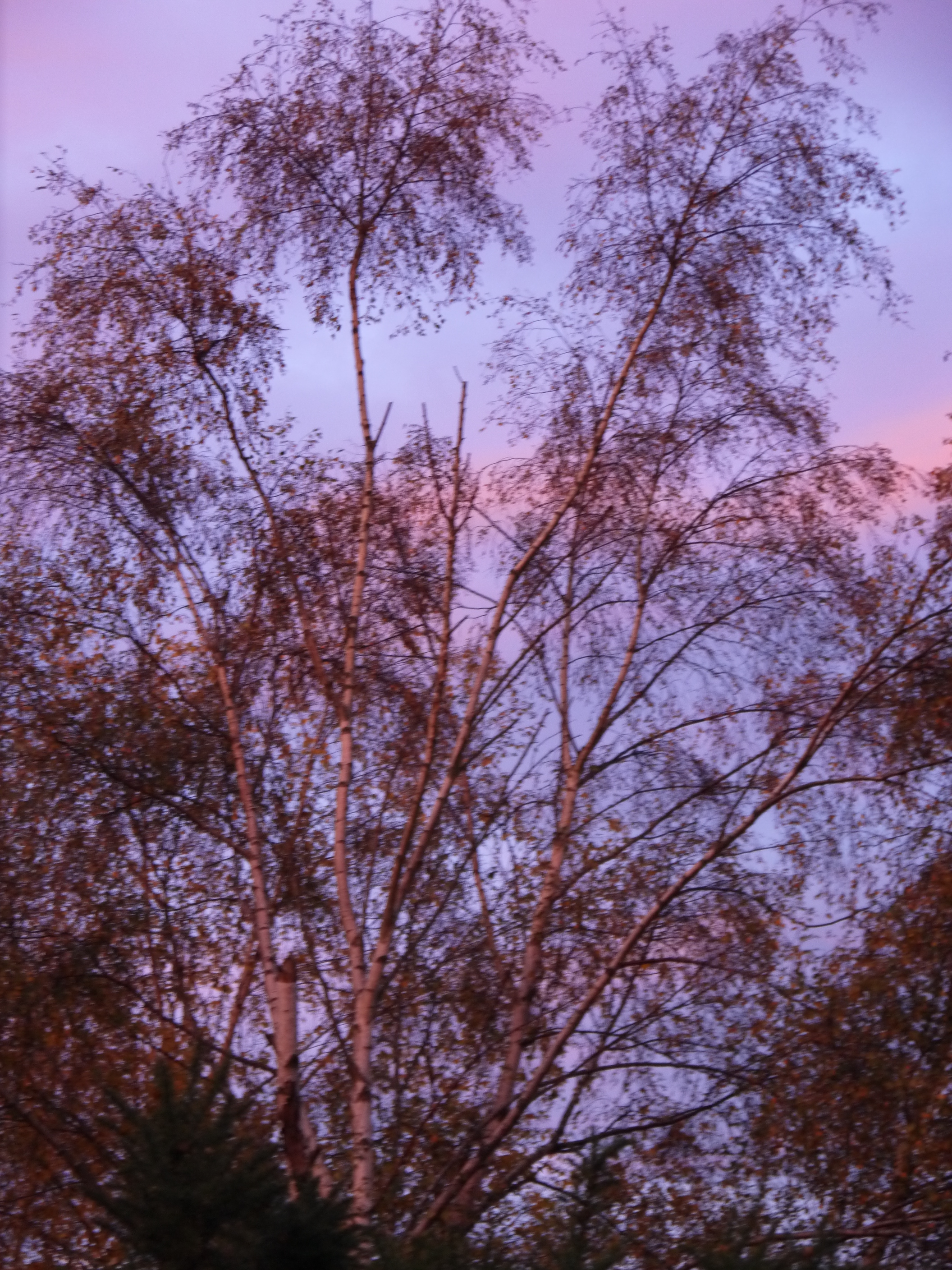
A silver birch at sunrise.

The Dreaded D Word!

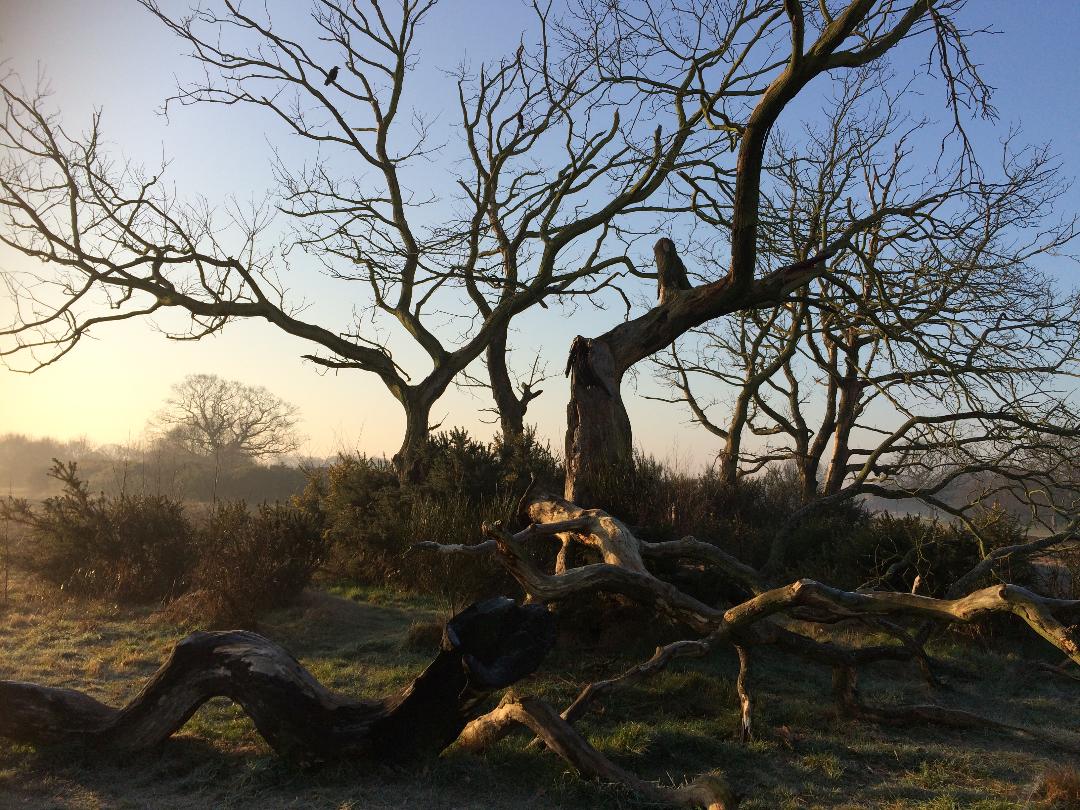
An oak killed by the heath fires a couple of years ago.

As Benjamin Franklin said in 1789, `Nothing in this life is certain but death and taxes.’ And, while some of the wealthiest people in society try to find loopholes and off-shore accounts to avoid the latter, there is nothing anyone can do to escape the former. We are all going to die: get used to it!

Death is a part of life for every single living thing and yet, we humans are constantly in search of ways to live forever. Modern medicine has created an expectation that all illnesses can be cured. But that is far from the case and, if they could, imagine how overcrowded our little planet would be. We have to die in order for future generations to thrive and yet, in the West, death is a taboo subject. People avoid writing their last will & testament in case it’s `bad luck’ and heralds their demise. Nothing halts a conversation quicker than broaching the subject of illness and dying. It’s as though talking about death will induce it there and then – the lightning rod of doom: Speak my name and I’ll strike you down! 

Personally, I want to be prepared – or as prepared as possible. No one can prepare for the bus that mounts the kerb or the shop window that crashes to the pavement. But what I have done is make sure that my will is written and signed (and witnessed – it’s no use otherwise) and my wishes are known to my family: where I want to be buried, what songs I want sung and poems read, whether or not I want a memorial of any sort and the fact that I want to donate my organs – just in case the oak tree at my back decides to uproot itself on top of me as I sit by the lake. Stranger things have happened!

I always think that sudden death must be very difficult for the family and friends who are left to mourn. There’s no chance for saying goodbyes: no opportunity to say all those things you wanted to say but never got round to. But, for the person who passes, it’s often quick – with little time to suffer. For that we can be grateful. When someone is diagnosed with a terminal illness, however, although there is the time to say and do everything we want to; to make our peace, the pain and suffering can be drawn out and is hard for both the person dying and their family. I know: I’ve experienced both with my family and friends. The swings and roundabouts of mortality.

My distant healing list currently includes five people who are at the end of their lives on this plane. They range from 82, down to just 39 years of age. The younger ones are the most difficult to accept. We want them to get well. We absolutely do not want to lose them at such a young age. And it’s hard to accept that it’s not within our control to say when loved ones should or shouldn’t die.

A couple of years ago, I was asked to send Reiki to a baby who was diagnosed with leukaemia aged just 4 months. When sending Reiki to those who are critically ill or at the end of life, I say the following prayer:

If now is their time to pass, make their passing peaceful and pain free; if now is not their time, make their recovery swift and complete.

Sadly, the baby died a couple of months later. For whatever reason, it was his time to go. For a few months he brought joy to those who loved him and his memory will be remembered through a trust fund set up by his parents to help others in their situation. But he was not long for this world.

A little while ago my granddaughter, then aged about 8 or 9, asked me, `Granny, what happens when people die?’ Gosh – that was a tricky one. She had lost one granddad and an uncle, her parents are humanist, her other grandmother is a Catholic, her step-granddad is a Buddhist and my beliefs are spiritual but not religious. How to not offend anyone – or upset my granddaughter? And yet I will not to lie to children or try to sugar the pill.

So I said, `Well, if you talk to your mummy and daddy, they’ll tell you that we’re on earth to make the most of our lives and, when we die that’s that. If you talk to Grandma, she’ll tell you that we go to live with Jesus in Heaven. If you talk to Granddad, he’ll tell you that our souls, the bit inside all of us that makes us who we are, will come back to earth in another form.
The reality is, no one knows for certain. So, really it’s up to you to decide what feels right for you. ‘

And that’s all any of us can do – find out what belief works for us, live life to the full and focus on making ourselves and others as happy and fulfilled as possible. And, in the meantime – preparation, preparation, preparation. Talk about what you want; make that will and don’t leave the house on a sour note. You never know when that great oak might fall!