Ah, the good old days! When I was growing up in an East Yorkshire village in the 1960s, we didn’t celebrate Hallowe’en. Nor did we have pumpkin lanterns. Our lanterns were made out of either turnips or swedes – both considerably harder to carve than pumpkins – and, instead of October 31st we had Mischief Night – the night before Bonfire Night: November 4th, .

And it really was about mischief! The people who complain about trick or treating nowadays, have no idea of the terror that Mischief Night could inflict on the elderly and those living alone. Children didn’t politely knock on doors wearing fancy dress and asking for sweets. It was rather more sinister with (mainly teenagers) playing knock-down-ginger: a game where children ring the door bell then run away before the householder can answer. In our area, it became even more upsetting for the victim as the mischief makers often tied the front and back door of a house together with string or tied a dustbin lid to the front door before running off. My brother and I were never allowed to participate as it was deemed an excuse for mindless vandalism by our parents. And, as I grow older, I think: rightly so! There’s a lawless element about Mischief Night.
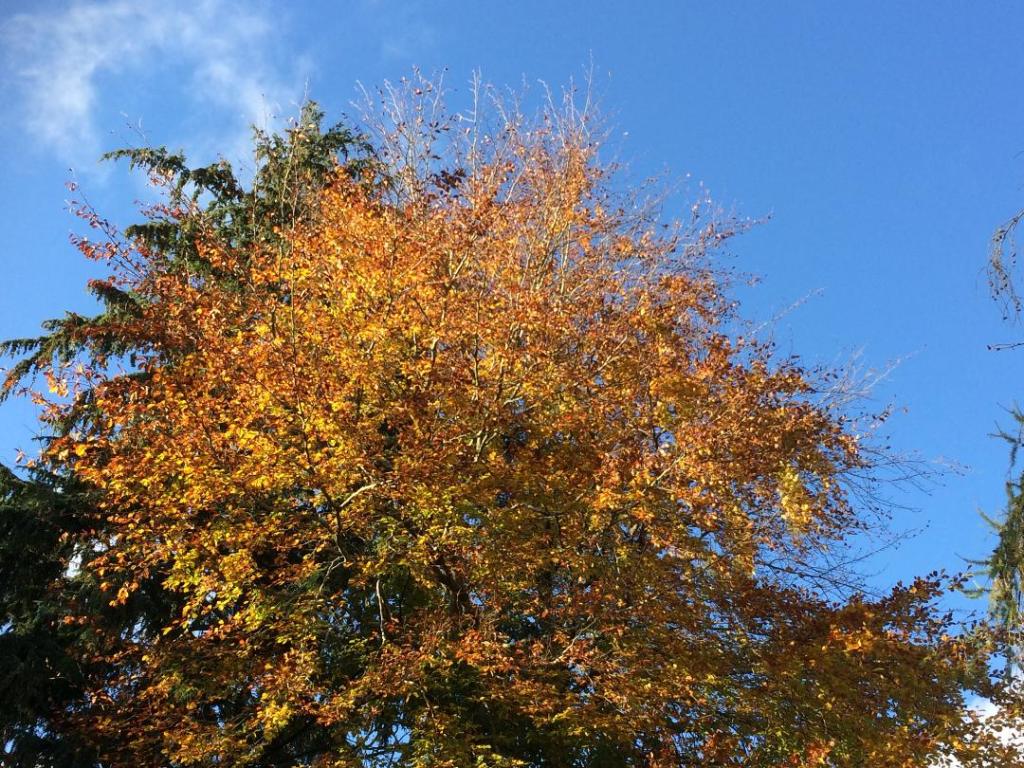
Hallowe’en, however, has much more spiritual roots. Despite all the claims that it’s a night for devil-worshippers to do Satan’s work, Hallowe’en has it’s origins in Samhain, the pagan festival on the last day of October to celebrate the end of the third and final harvest: that of nuts and berries.

Later on, when Pope Gregory III decided to change the date of All Saints’ Day (also known as All Hallows’ Day) from May 13th to November 1st to coincide with the dedication day of All Saints’ Chapel in Rome, the evening before became known as All Hallows’ Eve – Hallowe’en. In Ireland, a Hallowe’en tradition developed for people to light bonfires and wear scary clothes to frighten away `evil spirits’. And, after the potato famine and the clearances by English landowners, many Irish families emigrated to America taking this tradition with them.
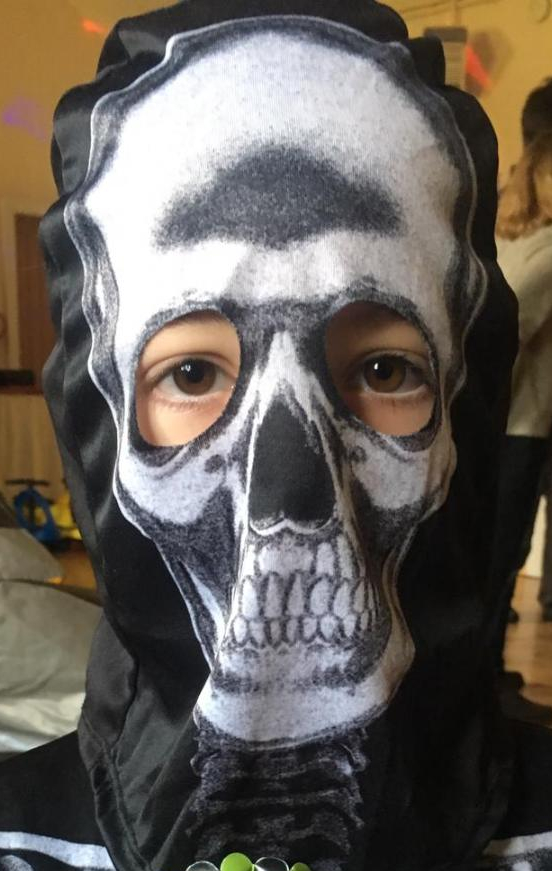
Trick or treating, the practise of knocking on doors and asking for sweets, also has its roots in religion and is not, as is popularly believed, an American custom adopted by the Brits. Throughout Europe, poor children would knock on doors on All Hallows’ Eve asking for food and money in exchange for saying prayers for the souls of the dead. This became particularly prevalent during the plagues that swept across Europe between the C14th – C17th.
So the Hallowe’en that we know today is a combination of Samhain and All Saint’s Eve. It’s about the ancient and the new; about giving and honouring. At Samhain and Harvest Festivals we give thanks for the food that’s been gathered in to keep us going through the dark days and nights of winter: likewise at both Samhain and All Saints’ we honour the souls and memories of our departed family and friends. And both festivals include donating to the poor, be that children asking for sweets or those on low incomes in need of food.
Most autumn festivals also include bonfires to bring light and warmth into the dark nights. But, while I love a good fire, I can never subscribe to the practise of burning an effigy, be it Guy Fawkes or anyone else. To me, it’s just not good karma.
So whatever you celebrate at this time of year, be safe. Remember the origins of the festivals are not in playing tricks but in gifts and gratitude. Have a splendid Samhain, an awesome All Hallows’ Eve, a delightful Diwali and a brilliant bonfire night!

 Reiki in Wanstead