…and the living is easy.

Summer time! I didn’t see any high cotton this morning on my trip to the lake but the fish were certainly jumping.
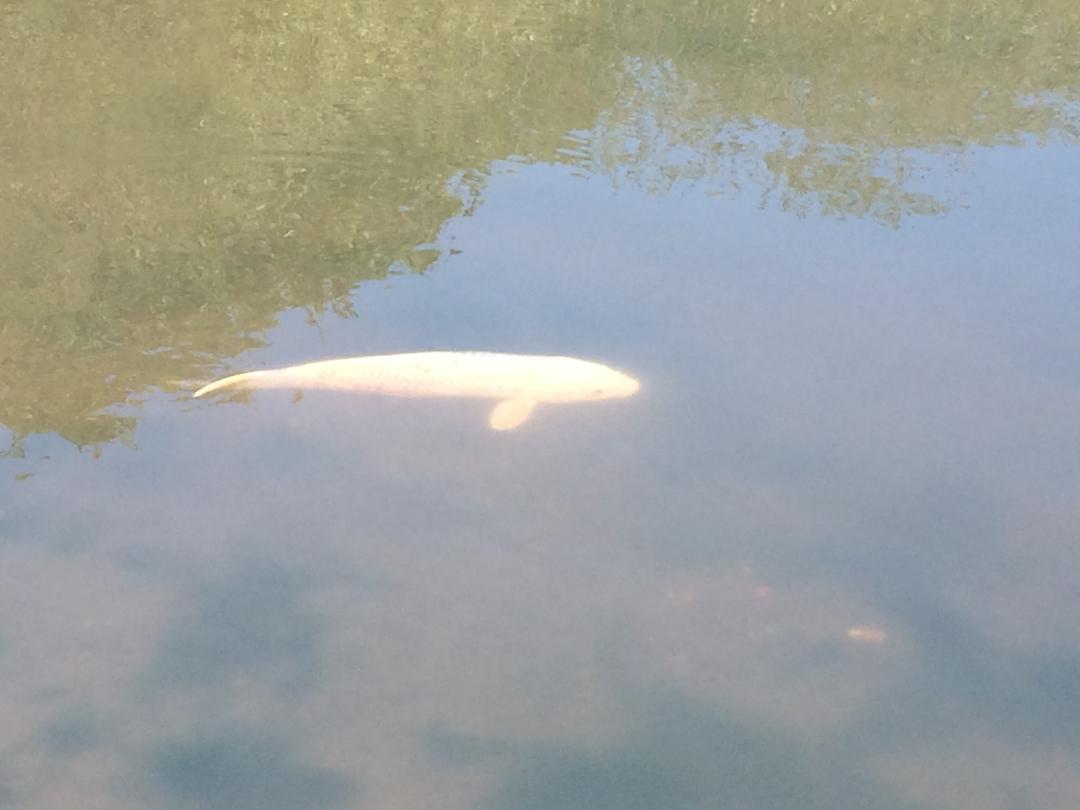
A carp(?) this morning.
July 29th 2019

The sad thing is, when fish come to the surface of the water, it’s usually because there’s not enough oxygen deep down. So, as mesmerising as it was to watch this fish today, I suspected that it might be in some distress and finding it hard to breathe. I’m no expert on fish but, from its size (at least 45 cm long), shape and long dorsal fin, I think this was a carp but don’t hold me to it. It was wonderful to sit and just watch it meandering its way around the lake and I sent it Reiki, along with everyone else on my list, just to be on the safe side.

The last few weeks have been bonkersly busy for me. (I know that’s not a word and the Rt Hon. Member Esq. will be going apoplectic if he ever reads this – which is highly unlikely, so let’s not waste any more energy.) It’s been full of wonderful moments with family, friends, love and laughter – which I relish – but it’s refreshing to have a few moments to myself and just be. Not doing anything: simply being.
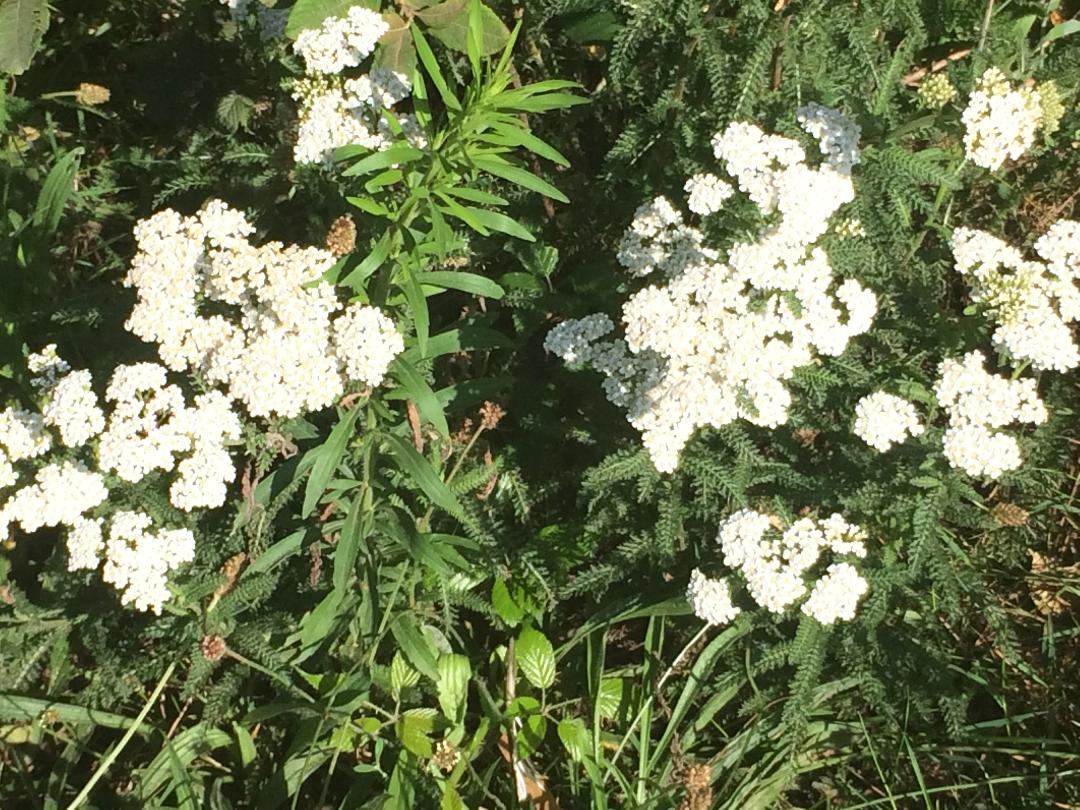
Common yarrow by the lake.

For many people, including me, it’s extremely difficult to switch off from doing things. And while we’re busy doing: the cooking, shopping, working, going to the gym, changing nappies, decorating, planning Christmas (Aaagh! The C word in July!) and the rest of the things that we do to oil the wheels of modern life, what happens to us? We get so caught up in what we believe needs to be done for the future and what was missed/forgotten/done wrongly in the past, that we lose sight of the present.

In Buddhism, there is a saying: the past is over and done with; the future is yet unknown but the present is a gift. I might have paraphrased that a bit but you get the gist. Every single second that we are present in the moment is a blessing. Because it means that, if our minds are focused on the now, then they can’t also be worried about what might happen tomorrow, or next week, or even in an hour’s time. And it can’t be running through an endless list of things-past that shouldn’t have happened or should have been different. Living in the now is a very powerful place to be. It eliminates anxiety and resentment. And who doesn’t want that?
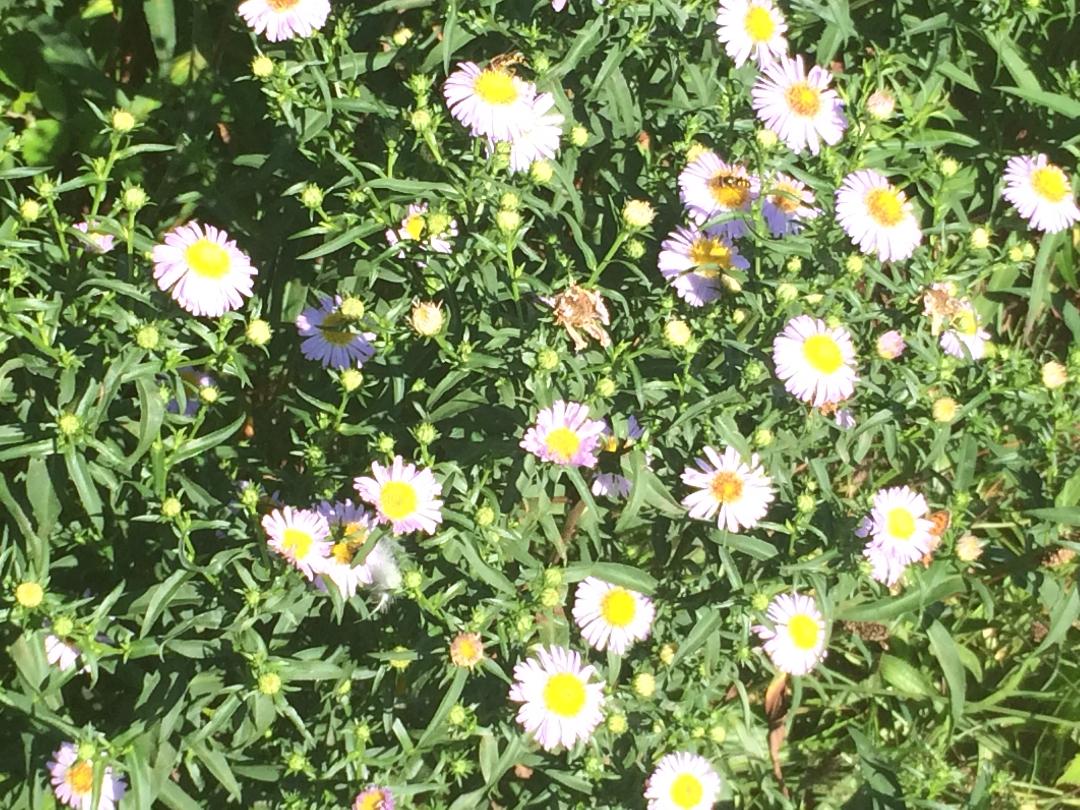
Early Michaelmas daisies this morning.

Because as long as we’re being in this very instant, and then this very instant, and then this very instant, the living really is easy – just as Gershwin suggested.

Try it, only for a minute at first and then extend the time. Simply sit and switch off your inner dialogue: focus on your breath, or the sounds around you, or a flower. Your chattering mind will, inevitably, chip in with a couple of judgements: you shouldn’t be wasting time or that flower’s not a flower: it’s a weed – the human mind has a list of criticisms as long as the Amazon. But thank it for its input and draw your attention back to the present moment.

Try it when things are getting tricky. When the person in the queue behind you rams their trolley into your ankle, or the bus driver closes the door on you and it’s raining, or your child/spouse/friend spills a litre of milk on the clean floor. Take a minute to flip the off-switch and just behold what’s happening right in that moment. Be with the painful ankle. Feel the rain on your skin. Observe the shape of the liquid as it spreads across the tiles. See if it makes a difference to how you handle difficult situations. And, if it doesn’t, try again next time. Our lives are an endless lesson and if we don’t learn things the first time, just keep practising.
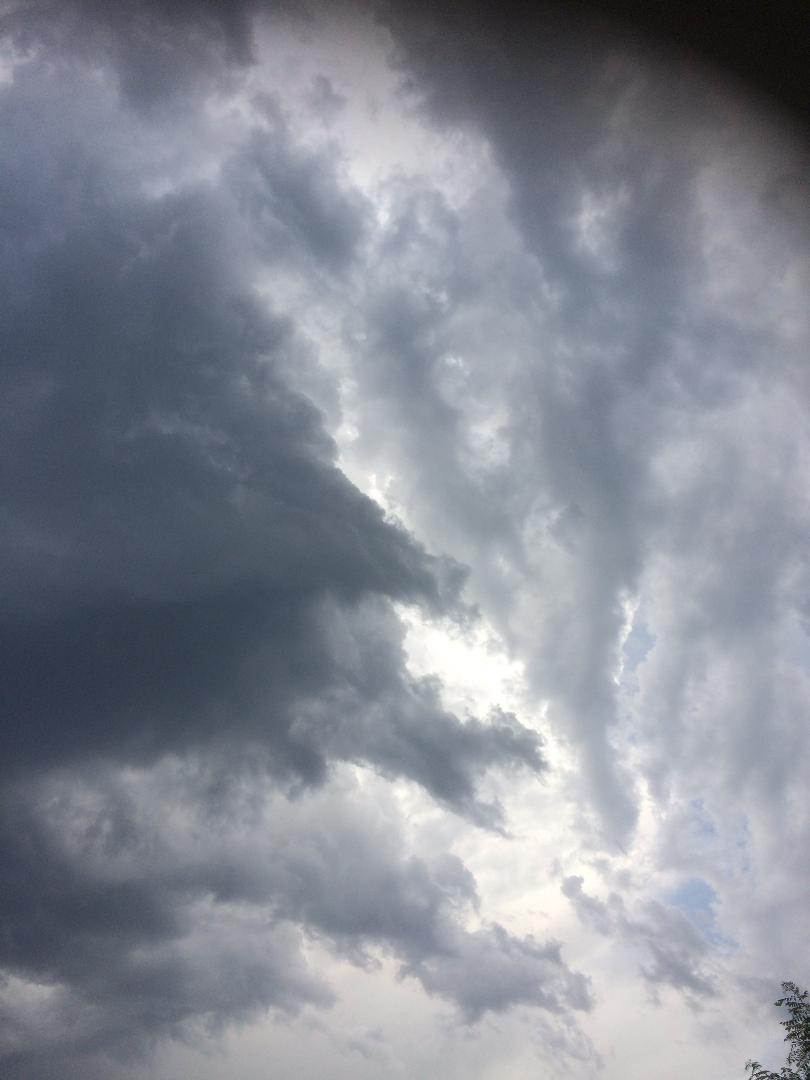
I’m going to leave you with an image of storm clouds from last week as a reminder that nothing lasts forever: not the hot weather, not the storm, not the pain in your Achilles tendon where the shopping trolley hit you and not the milk on the floor – not if you’ve got a pet anyway.

Enjoy being in the moment!
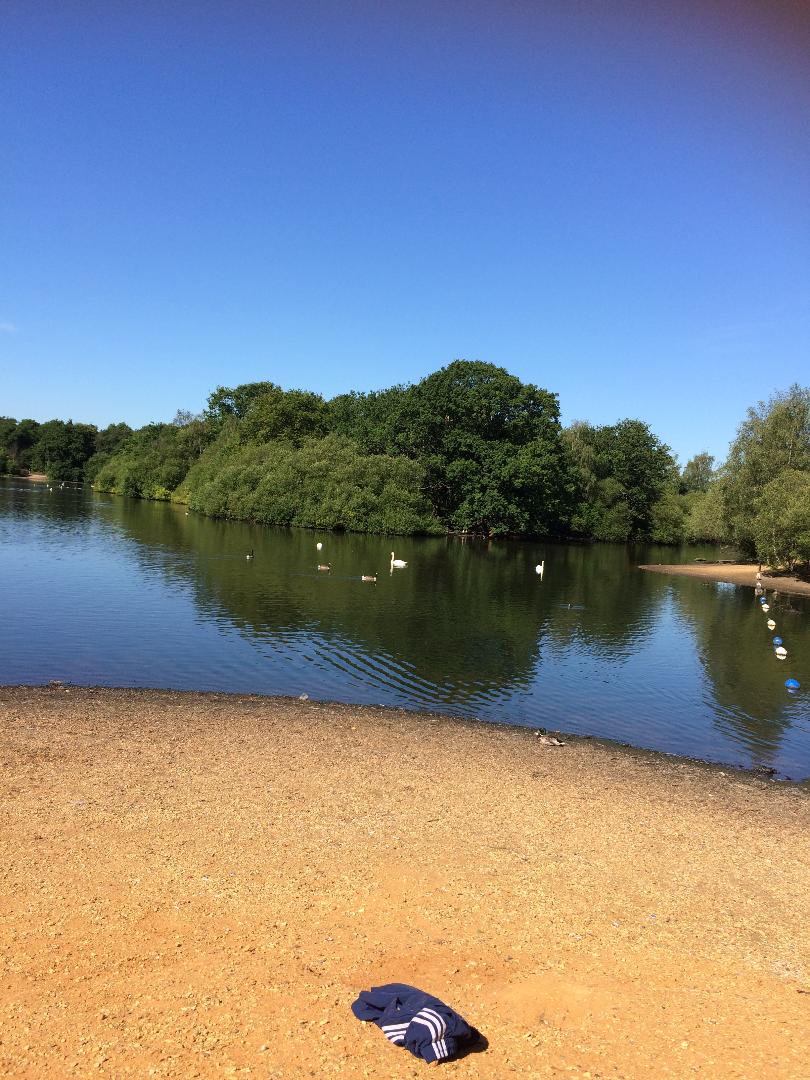
Photo fest of unconsciousness!

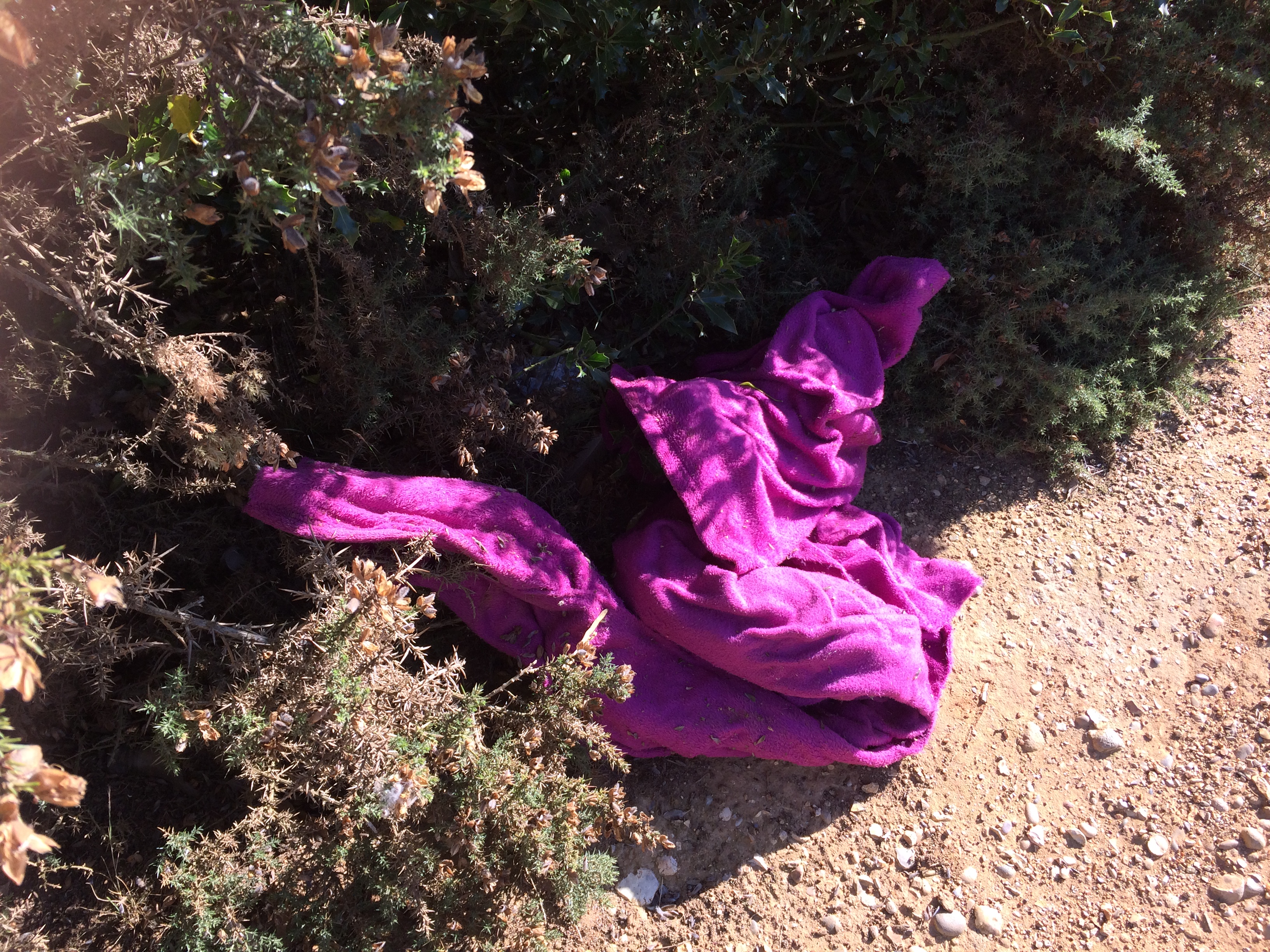
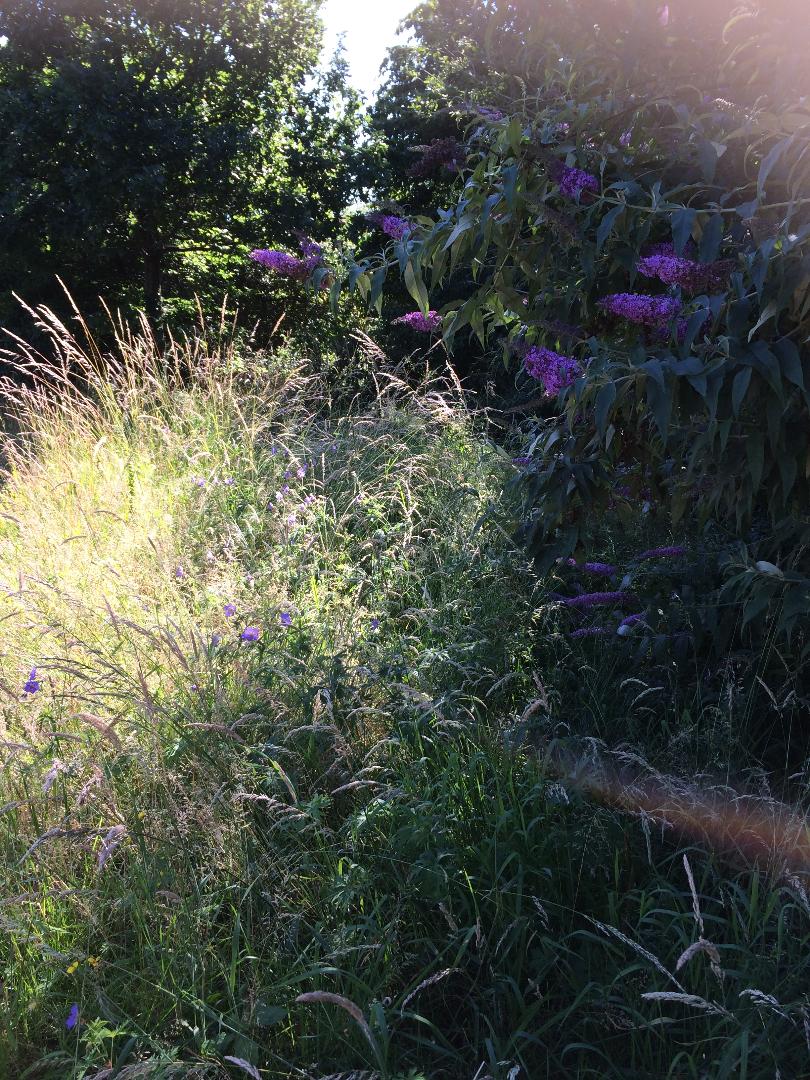
It was a glorious morning as I cycled over to the lake to do my daily mediation and I was immersed in the magnificence of Nature. All along the cycle path were meadow grasses and wild flowers: cornflowers, campion, vetch, buttercups, mallows and they were teeming with butterflies and bees. A green woodpecker flew along side me for a (very) short while as I approached the lake and I saw numerous ethereal damsel flies fluttering by. Could my day get any better? And then I came to my favourite spot for meditation!

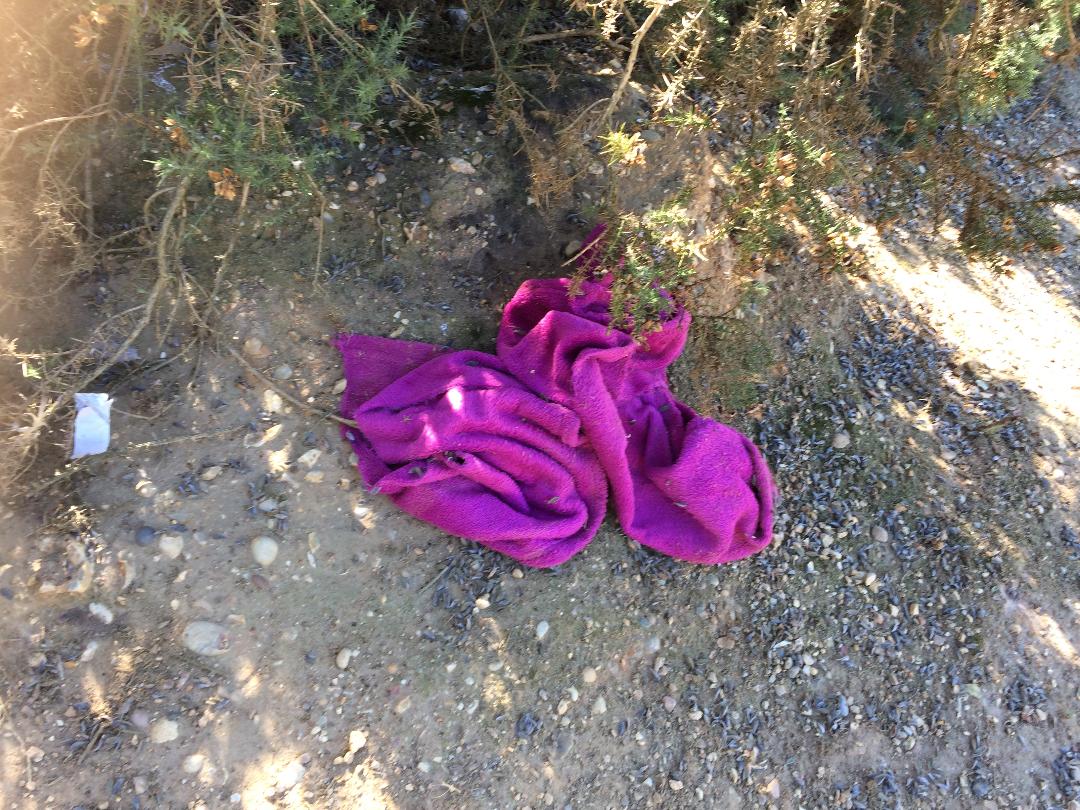
No, that’s not the same towel as the one above.

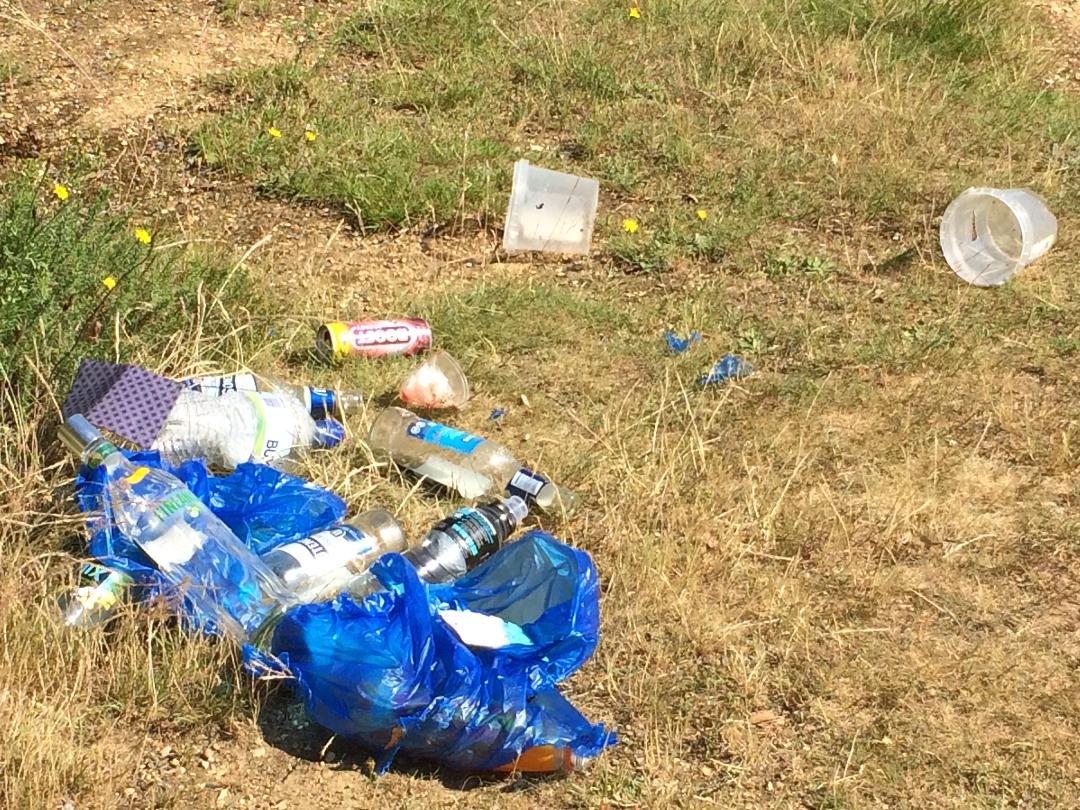
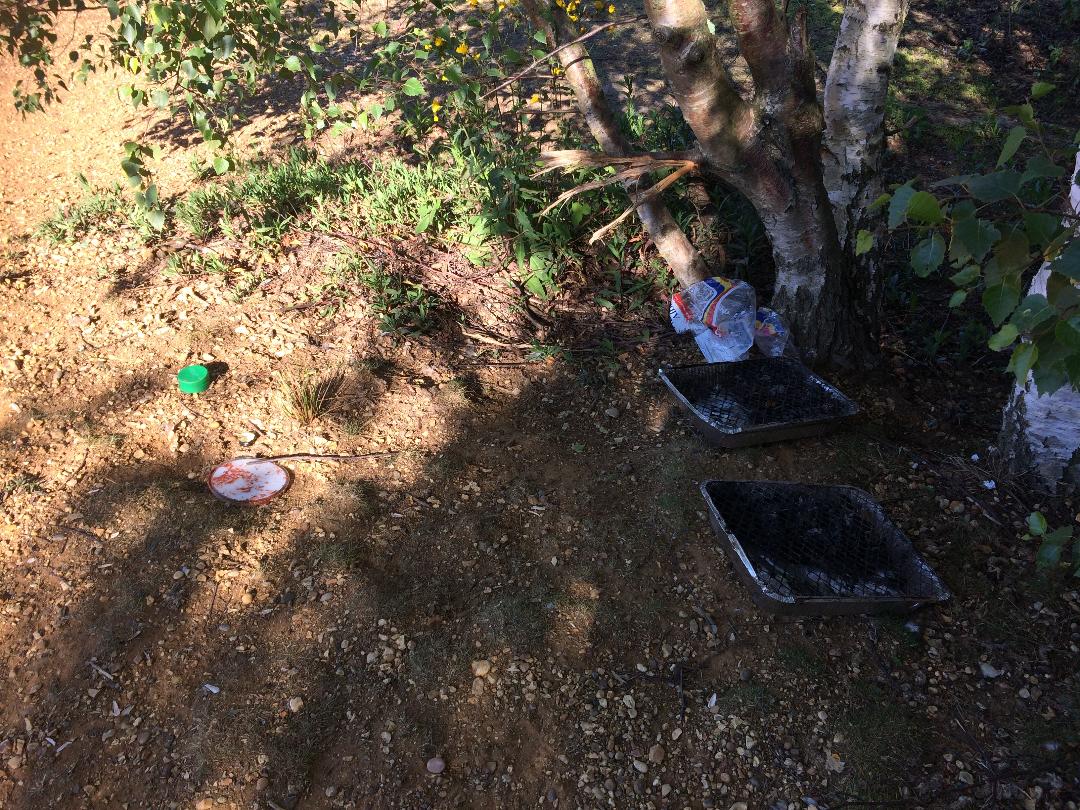
It was strewn with the remnants of someone’s swimming party the previous evening. What amazed me was that someone who is clearly conscious enough to colour coordinate his towel and blanket, is unconscious enough to just leave them in a place of such natural beauty. In fact, leave them anywhere for that matter, other than his own washing basket at home. (I say he because of the swimming short abandoned by the lakeside.)

When I use the words conscious and unconscious, I not talking about eyes open but on automatic pilot as opposed to comatose: I’m referring to a state of awareness. Noticing everything – how we’re feeling within ourselves, the sounds around us, the colours, nature, other people, our words, actions and body language: being present and aware in the moment. Being fully alive!

It saddens me that people discard things in the street, in forests, on the beaches, up mountains, and I know I’ve had rants about leaving litter before. But it is absolutely beyond my comprehension what people tell themselves to justify this behaviour. Apart from the fact that there are signs everywhere banning barbecues because of the risk of grass fires and more signs warning people not to swim because the water contains Weil’s disease or leptospirosis, which can be lethal, who do these unconscious beings think is going to clear up their mess? Do they think the Waste Wizard will come in the middle of the night and magic it away? Hey ho!

However, despite the mess, I did manage to stay in the moment and I managed a wonderful meditation, keeping my mind from drifting into resentment and judgement. In a perfect world everyone would take responsibility for themselves and their debris but, our world is far from perfect and we can’t change other people: all any of us can do is to change our selves.

I shall leave you with a couple of pictures of the cycle path in all its midsummer glory. Have a wonderful day and, please, take your litter home with you!

A little more conversation; a little less conflict please.

You can Google talking is good for you and endless websites come up about talking therapies, or the importance of talking about your feelings: the results are in the gazillions. But try Googling listening is good for you and all you’ll be offered is why listening to music is good for you. Not that I have anything against listening to music. But I could find nothing about listening to other people. And, in my opinion, listening is just as important as talking. I mean really listening.

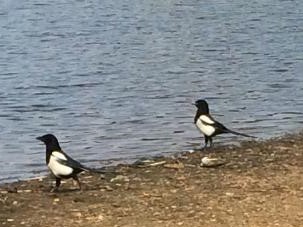
Moody magpies.

Conversations are two-way interactions. When was the last time you sat with someone and focused entirely on what they were saying without letting your mind wander off onto what you might be having for dinner, or your work schedule for the next day? Maybe some fleeting judgements about what you or they are wearing, or their new hair style flashes through your mind and you lose concentration? How often do you find yourself wanting to chip in with your own story, or contradict what they’re saying?

And, conversely, how many times have you been talking to someone and realised that their mind is elsewhere, or they’ve cut you off mid-sentence and you’ve lost your thread? I would suggest that it’s frustrating at best, downright annoying at times and positively hurtful at worst.

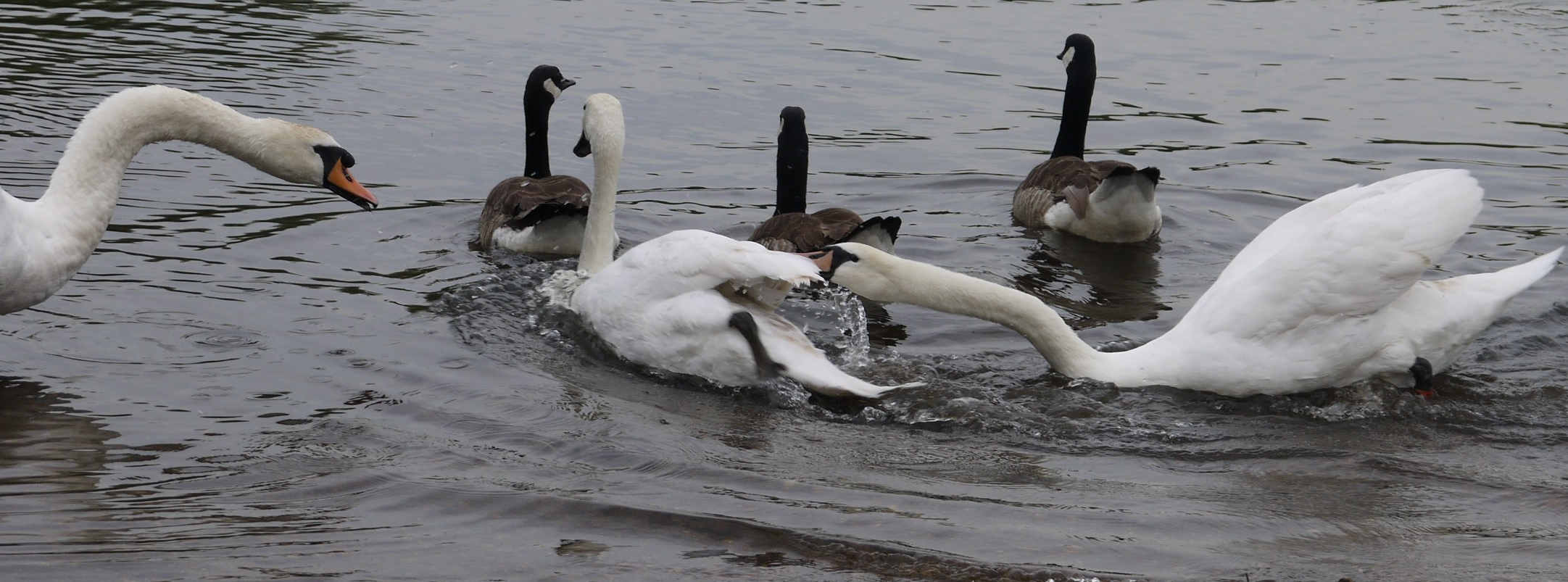
Squabbling swans.

And, if you, or the person you’re talking to, isn’t fully engaged with what’s being said, then their words are open for mishearing and misinterpretation. Even worse, if you’re distracted by the match on TV or what the people at the next table are having to eat, you lose out on the clues in their body language too.

In 1971, Professor Albert Mehrabian came up with the theory that communication  is only 7% verbal and 93 % non-verbal: the non-verbal component being body language (55 %) and tone of voice (38 %). I do want to point out that this has been disputed by many academics but I still like to think of it as a handy rule of thumb. Conversations involve far more than just words. Try having a text or email dialogue with someone and see how long before someone takes offence because, even with a smiley emoji and an exclamation mark (or perhaps because of it!) your `funny comment’ is interpreted as an insult. Just look at the problems caused by senior politicians tweeting their thoughts rather than conversing with their counterpart. How many wars might be avoided if world leaders really listened to the opposition and found out why that land was important to them and their people and found some way to compromise?

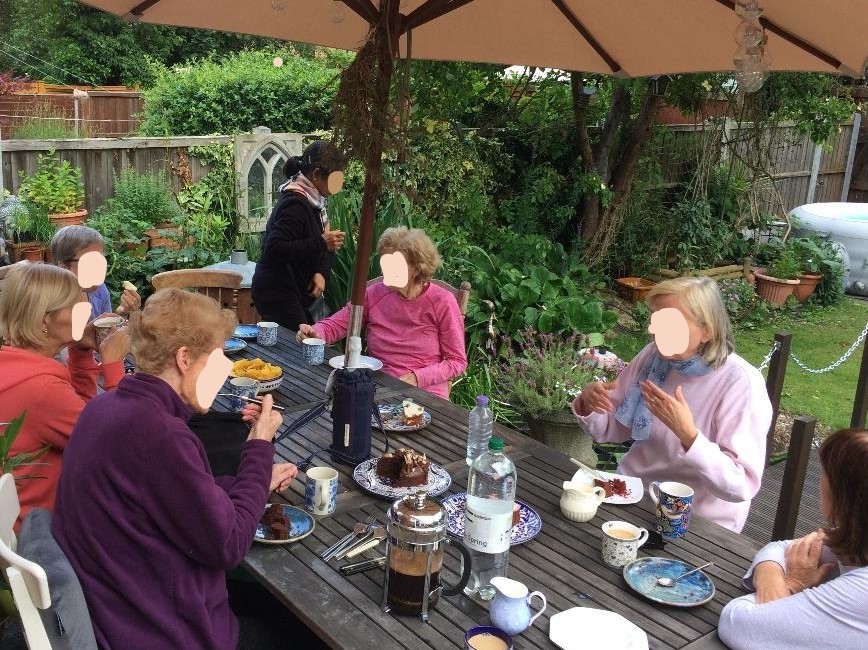
Coffee, cake and conversation with friends recently. We’re not wearing face masks – I blanked out their features for privacy!

There is no real substitute for face to face talking – and proper listening – in all our relationships: partners, family, friends, even the bloke on the checkout at Tesco. It might not be appropriate to stand and ask him about his health, hobbies, children etc as the queue builds up behind you, but making eye to eye contact, smiling and saying thank you can go a long way to making him feel as though he’s human and not an automaton.

Simply smiling and acknowledging people improves your mood – and theirs. There’s all sorts of gumph talked about how it takes more muscles to frown than smile but regardless of that – smiling simply makes us feel better. Try it. Frown; then consciously turn it into a smile. See? No medication and it’s free.

So next time your partner comes home tired and irritated or joyful and excited, or a friend calls round to let off steam or share important news, listen to them – fully. Really hear what their words, facial expressions, body language and subtext are telling you. If you’re not sure you’ve fully understood them, clarify, then validate them. Empathise by saying that must be hard for you, or you must be thrilled. Explore their options, what do you want to do now? But take care not to get into collusion with them by saying things like – oh, you poor thing. All that does is serve to perpetuate a victim mentality – and that never helped anyone to do anything other than be a victim.

A heart carved into a silver birch by the lake.

So, forget Elvis and all of his a little less conversation, a little more action please: let’s try: a little less texting, a little more conversation please!