Massage, meditation and mindfulness.

Ne’re cast a clout till May be out! No, I’m not getting political – I’m talking about the old adage. May refers not to the month, as I used to think, but to the blossom on the may trees, or hawthorns. And, here it is, in abundance – may blossom in April. But what has happened to the temperature? Just as we’re all casting our clouts and donning our sun vests, shades and sandals after a scorching Easter, Nature throws us a curved ball and drops the temperature 10 degrees so that we’re back into our winter woollies.
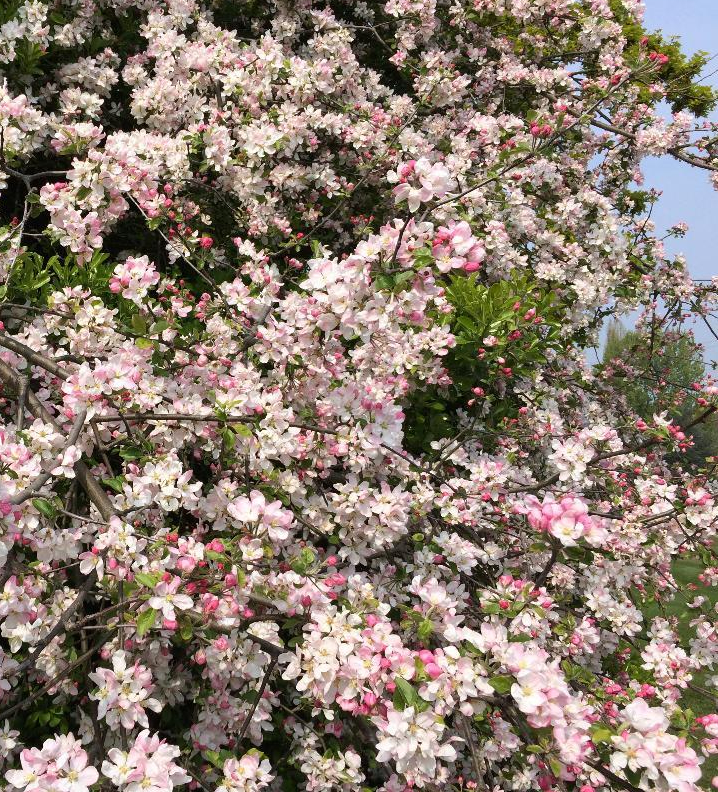
Wild apple blossom at the weekend.

I enjoyed a fabulous time with my family over the bank holiday weekend but one thing in particular impressed me. At one point, as we sat out in the garden enjoying the sunshine, four of my grandchildren, aged between 4 – 10, began massaging the necks and shoulders of the adults. Apparently, at one of their schools, all the children start the day by massaging their classmates. Amazing – and to think some people pay for that.
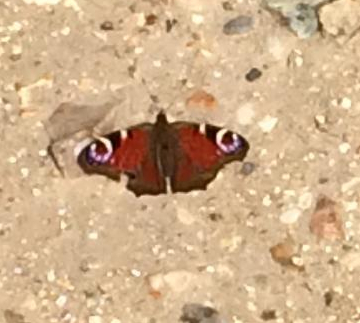
A peacock butterfly that landed on the path by my feet.

I’m not talking about a deep tissue sports massage here, their touches were as light as feathers but the simple act of their hands gently moving over our shoulders was immensely relaxing and very bonding. Imagine having that connection with your schoolmates – or colleagues – every day. It’s hard to get angry with someone when you’ve spent the first fifteen minutes of the morning massaging their shoulders and they yours.

Morning massage is something that has been practised in Sweden, USA and Canada for many years and has resulted in children who fight less, settle down to work more quickly and are more focused in class. And, in controlled tests, the academic results of the children who massaged their classmates in the morning were better than those of the group who didn’t. In Balitmore, USA, detentions have now been abolished and replaced with mindfulness rooms where students can go and reflect on their thoughts and actions resulting in far fewer re-offenders.

And now, massage, along with meditation and mindfulness is being rolled out across 370 schools in England. Hurray!
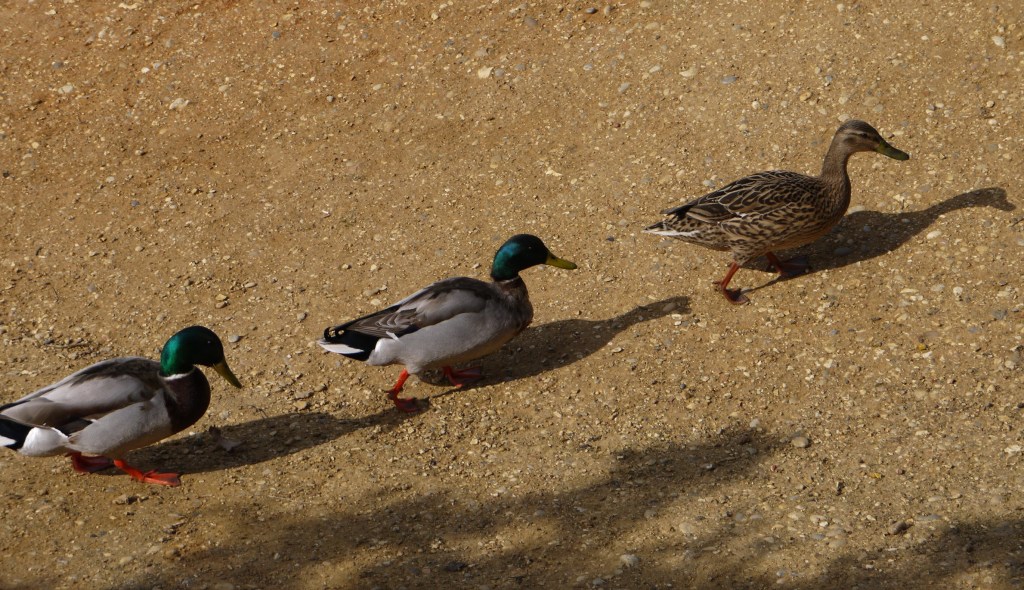
Following the leader?

I was a teacher in both primary and secondary schools for almost 40 years. I specialised in children who had special needs and that often meant they had emotional and/or behavioural difficulties too. I found that one of the main reasons children became disruptive was because they found it difficult to know how to express their feelings. Maybe they didn’t understand what was being said to them; perhaps something was going on at home; or they could have been being bullied. Whatever the cause, they felt frustrated and frequently acted out their frustration in disobedience, swearing and even hitting. Not hitting me, thank goodness, but I knew teachers who were attacked by their students.

The magnificent bluebell woods just down the road.

Contrary to what some people believe – meditation isn’t about stopping our thoughts and feelings: it’s about being mindful of them and learning how to deal with them: settling that chattering mind of ours and going beyond the destructive thoughts and feelings to find inner peace. By teaching children how to become aware – or mindful – of their feelings we, as adults, can encourage them to express themselves in a more productive way than lashing out. Imagine a world where everyone began the day with meditation and that healing touch of massage.

In the words of my hero, Mahatma Ghandi:

 “If we are to teach real peace in this world…we shall have to begin with the children.”

And I am relieved and grateful that my grandchildren will be at the forefront of this peaceful revolution. It gives me hope for the next generation in this topsy-turvy world.
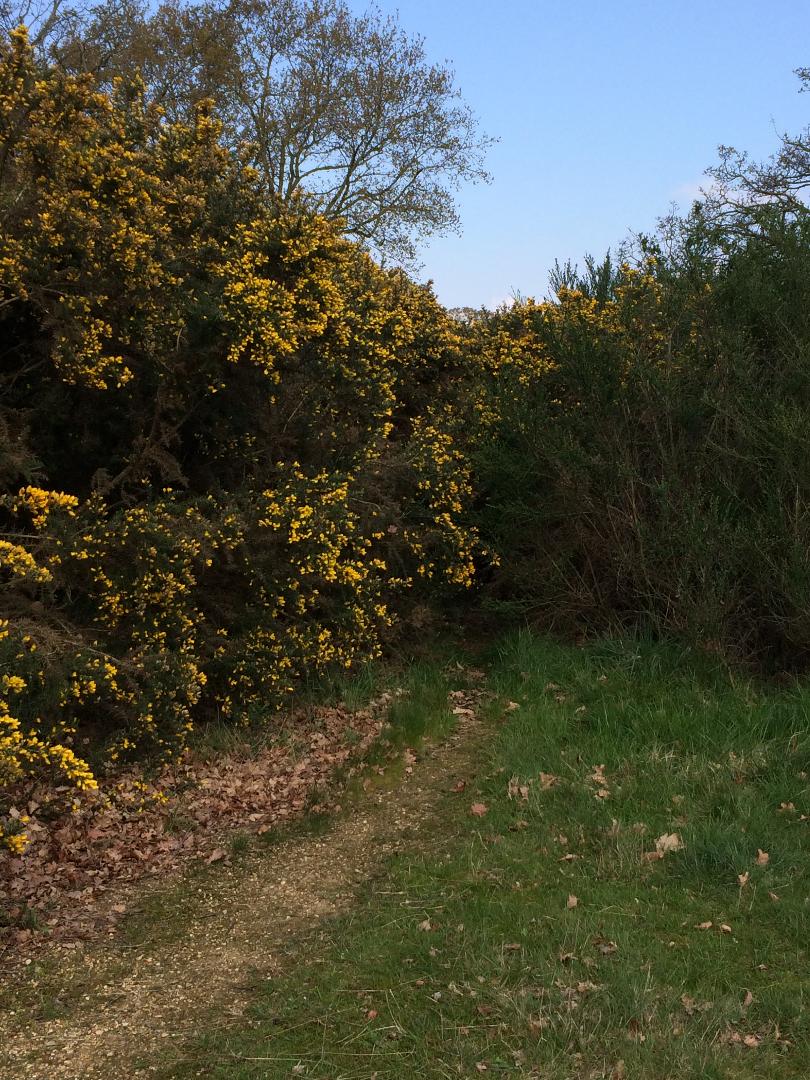
Staying on track.

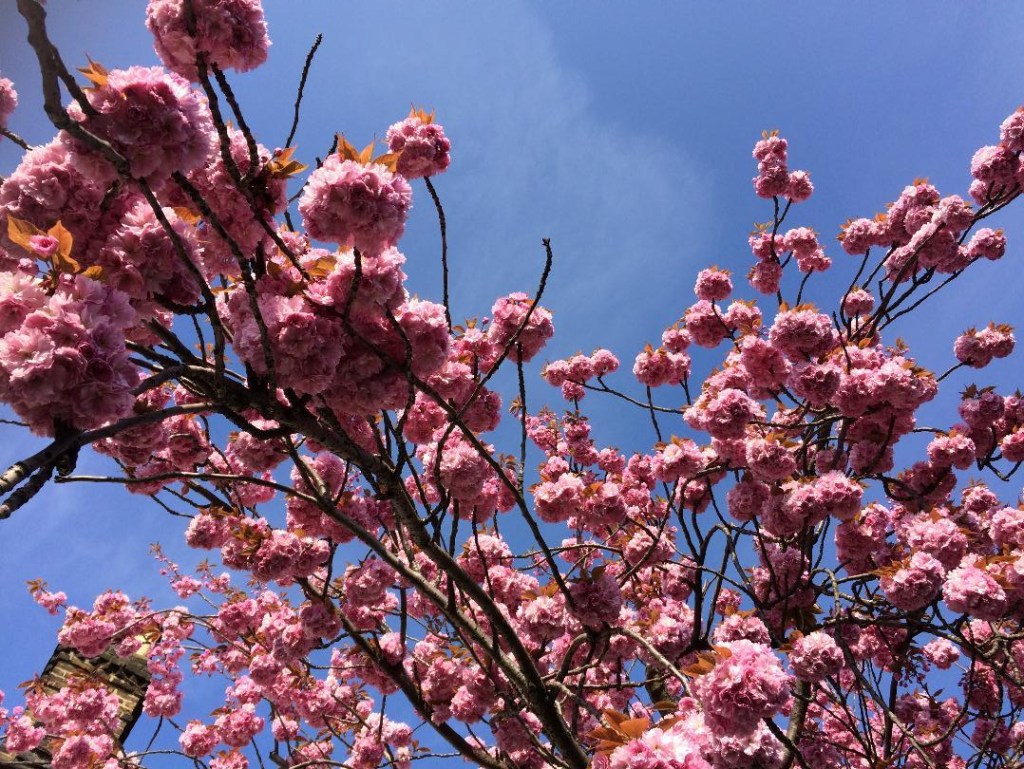
Springtime blossom.

It’s estimated that, on a flight from London to New York, the plane is only on course for 3% of the time. That means that for the other 97% of the trip, the pilot is course correcting to get back on track. And yet, the vast majority of them reach their destination as planned. (Unless, of course, you happened to be on the recent flight to Dusseldorf that ended up in Edinburgh!)

And that’s a bit like life. We can have a goal we want to achieve and even make an action plan of the steps we need to get there, but life is never that straightforward. We need to be able to course correct if we want to end up at the destination we’d aimed for. The photo above is of a well trodden path that I used to walk or cycle on my way to the lake. It’s now impassible. The bushes have grown over so it’s impossible to get through without ending up with multiple gorse prickles – which can turn surprisingly nasty – septic even – if left untreated. Believe me: I know!

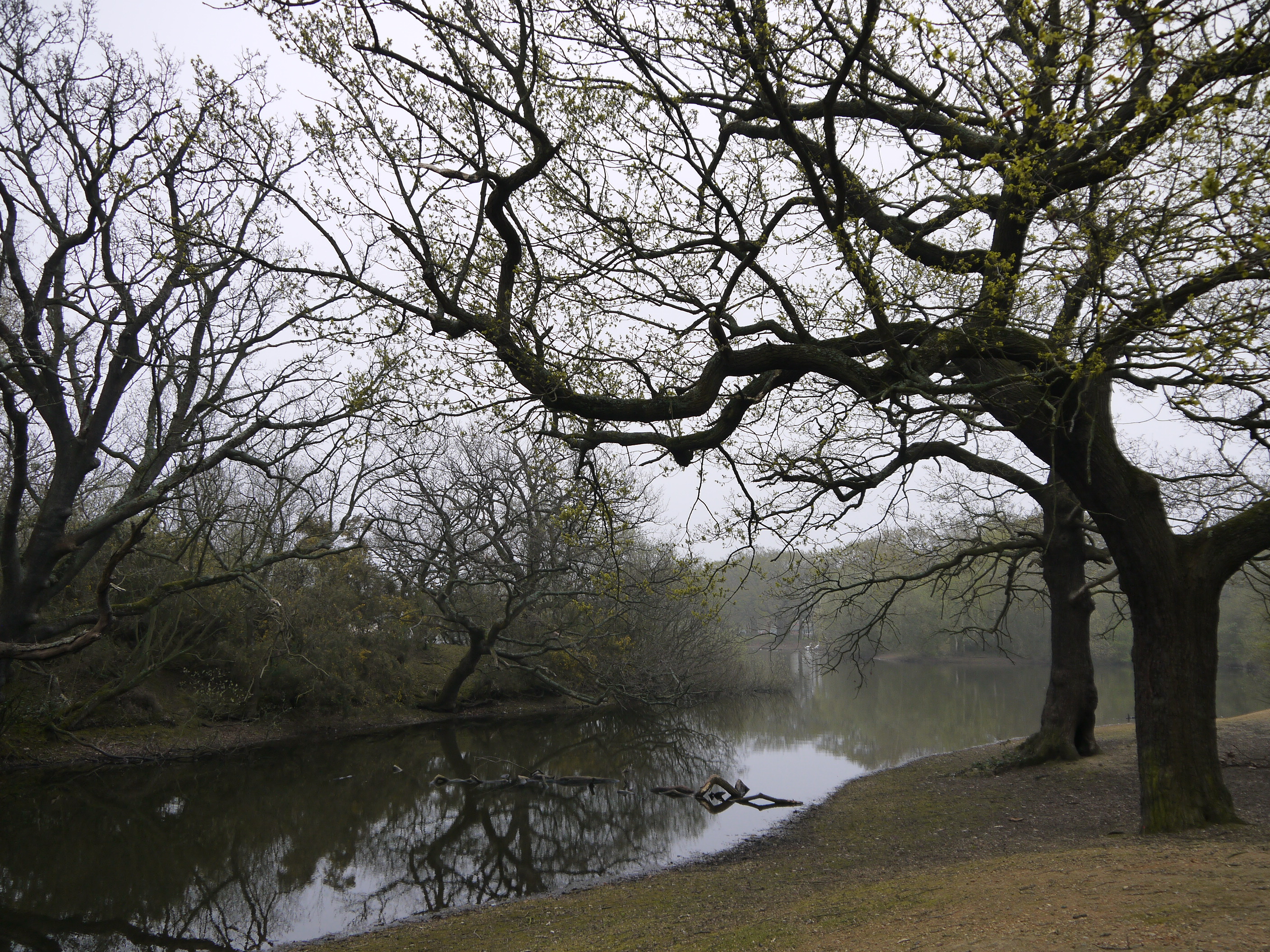
Sunshine on the lake makes it magical.

It was quite annoying at first when I realised I could no longer go along the path that I was used to. But I soon discovered other routes to the lake, even more picturesque ones. One took me by a smaller pond another, through a dark track under the trees on the very edge of the lake, and a third led me round the entire lake in the other direction. My goal had never altered but my route did – and I benefited from it. When one path closed: three others opened!

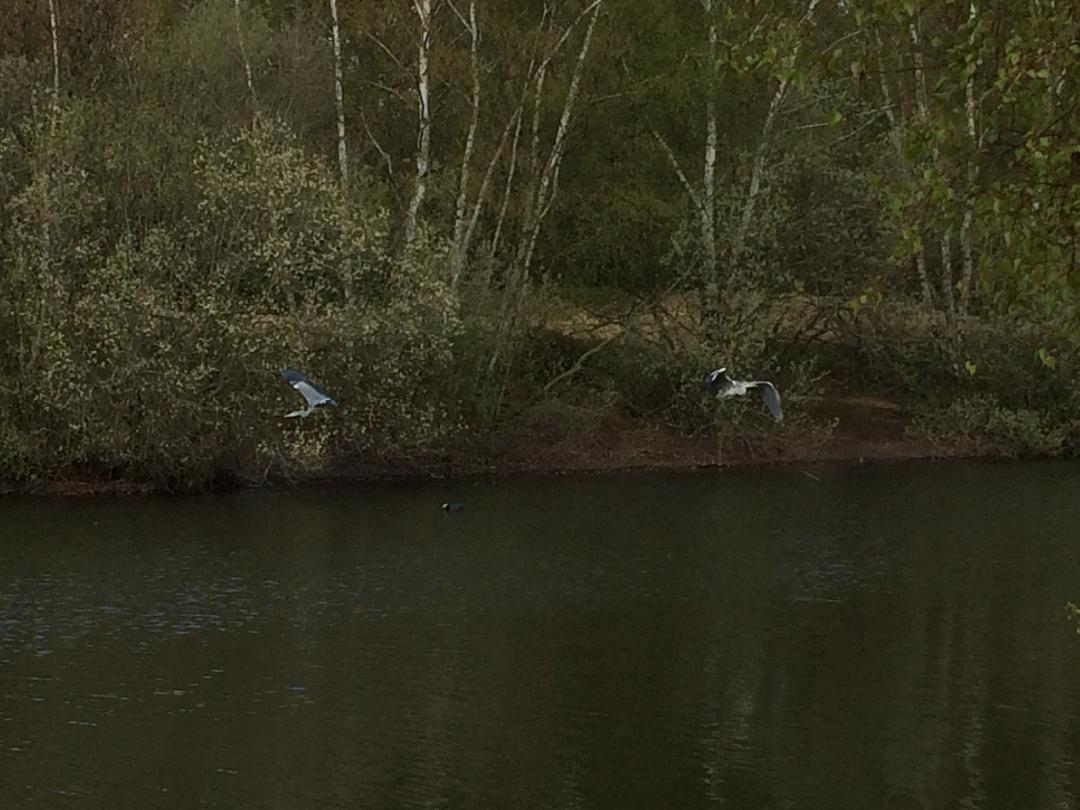
Herons in flight.

Throughout my life I’ve had many jobs but the one I’ve loved and found the most satisfying is being an author. I’ve written 12 books for teenagers and young adults. I write under a pen name and it’s a job I’ve always wanted to do – from my earliest childhood as I scribbled stories under the bedclothes when I was supposed to be asleep. For 23 years, I wrote: novels, children’s fiction, short stories, poems – you name it: I wrote it. And every single one got rejected.

Did I give up? No, I did not! I read what the publishers had to say about my work, took it on board and tried again. I course corrected – for 23 years – until I reached my goal. And, when the advance copy of my first novel arrived in the post, I wept with joy, made all the more sweet for the journey I’d been on to get there.

My first published book – 2001.

I wrote 12 books in 10 years and then my life fell apart. My husband was diagnosed with Stage IV cancer and my writing career didn’t just stop: it crashed into the buffers at full speed. I had neither the energy nor the creative juices to write. I even went back to teaching for several years. That was definitely NOT on my action plan of writing a best seller. But have I given up? Absolutely not! This is simply another course correction. It wasn’t what either of us wanted – or expected. It was a curved ball to end all curved balls. But my husband is in remission now and I’m hoping I can get back on track with my life.

I believe that nothing in life is ever wasted. So, who knows, I might even write a book about our experiences. In the meantime, I’m happy writing this blog. It’s one of the steps on my action plan to get back to full time writing. And, if I get knocked off course, I’m just going to get back up and try again. In the words of Chumbawamba: Ain’t never gonna keep me down!

Enjoy your spiritual holidays whatever your beliefs: Easter, Pesach, Vaisakhi or simply enjoy the springtime!

The Magic of Harmony.

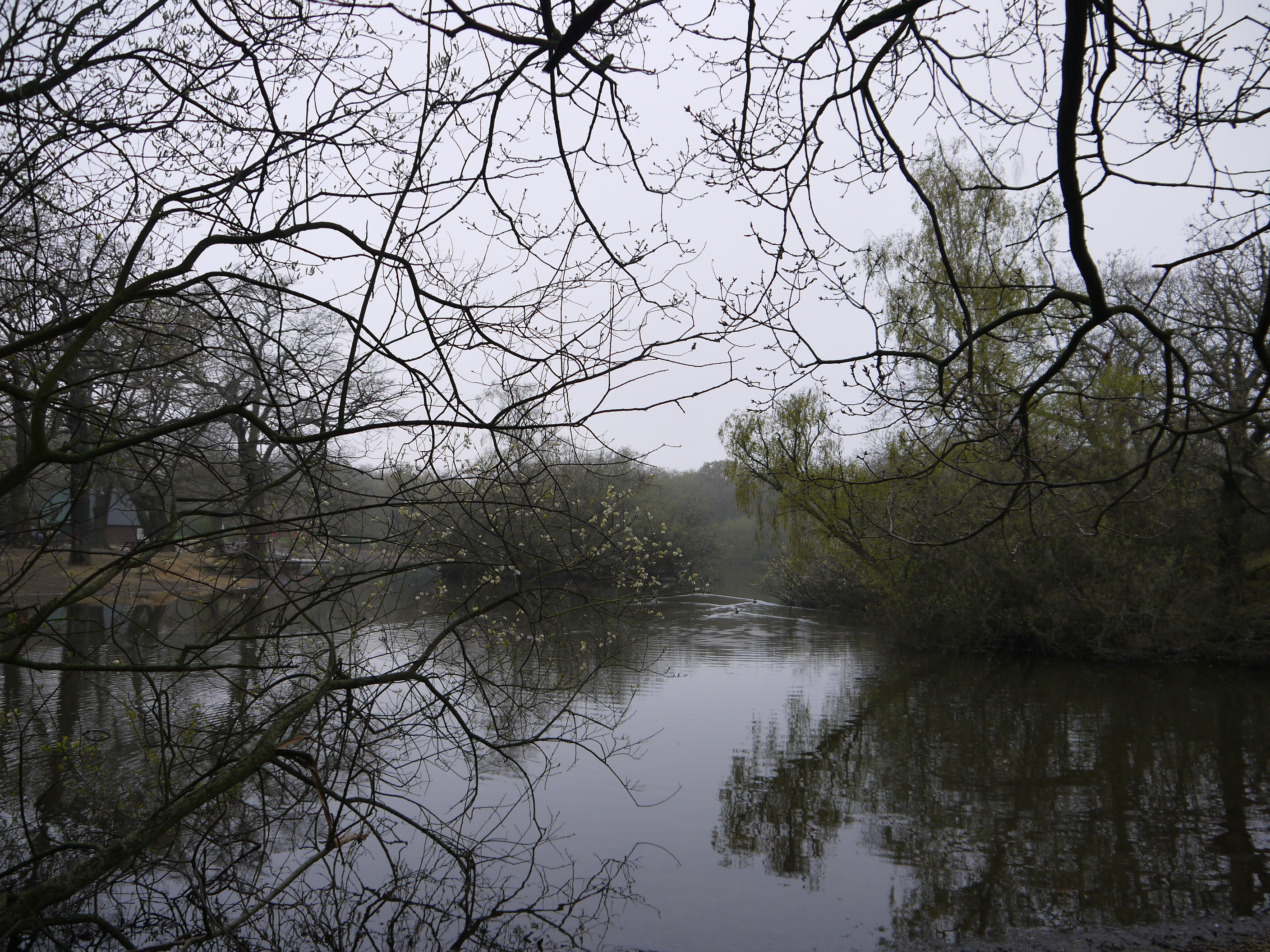
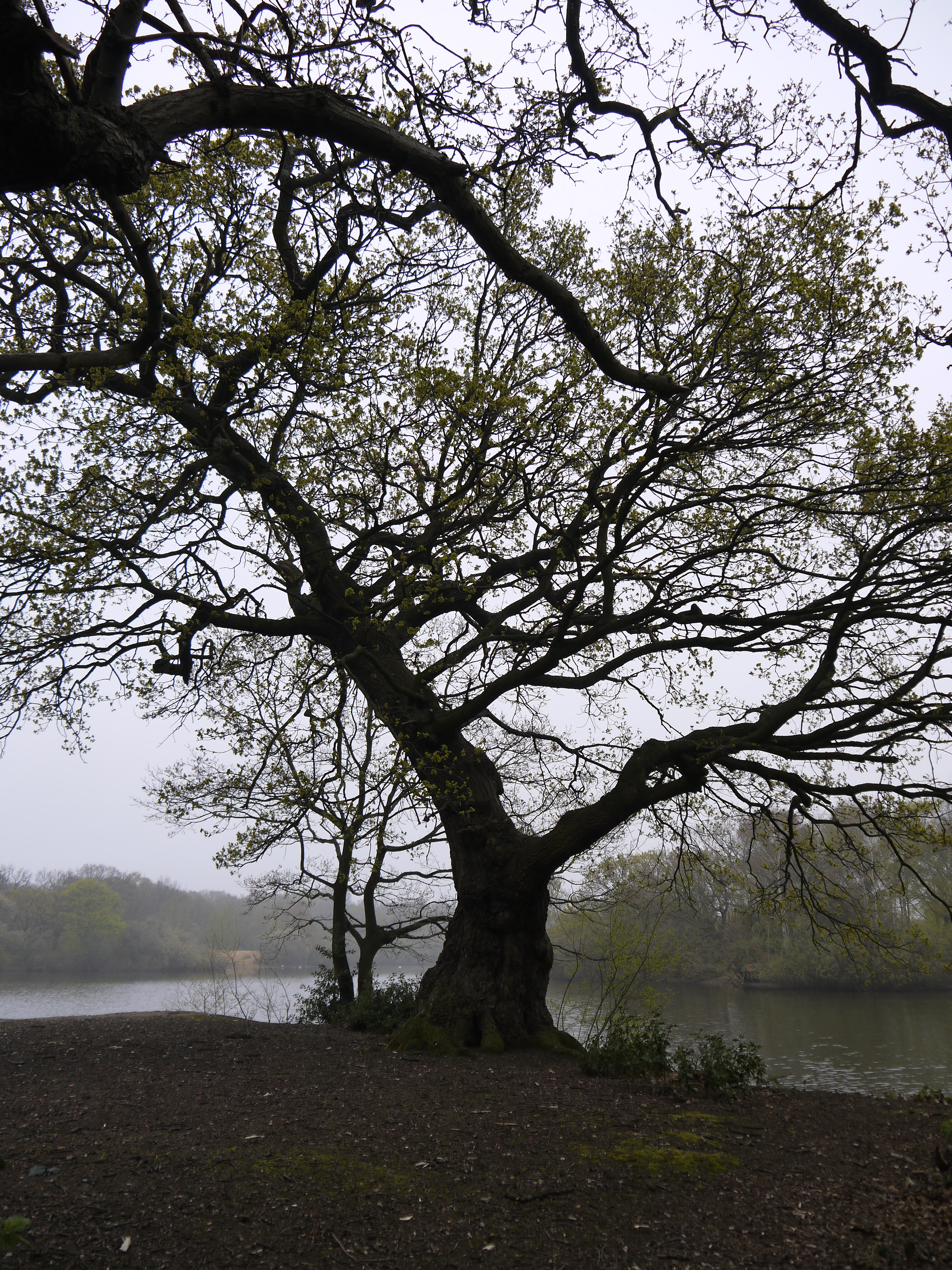
Reflections on the lake this morning.

There’s one question that crops up fairly frequently: does Reiki work? And the answer is – if you want it to!

Reiki is like any other form of treatment – both orthodox and complementary – a lot depends on the mindset of the client. An open-minded, positive attitude is more likely to improve a person’s recovery and healing process than if they enter into treatment believing it’s not going to work.

Of course, with orthodox medicine, billions of pounds are spent by the Big Pharma companies. Years of blind testing goes into trialling a new drug – and rightly so. The majority of prescribed medications are a blend of toxins engineered to destroy the particular bacterial infection or virus that’s causing the illness. The need to thoroughly research the effects of the drugs and document the outcomes is vital. No one wants a repeat of the Thalidomide tragedy that happened in 1950s. Thalidomide is still an effective drug when used in the treatment of Multiple Myeloma but, when it was given as a mild sedative to pregnant women who were suffering with morning sickness, it caused appalling deformities in their unborn children. Medicines need to be tested – and thoroughly.

But, with Reiki – and most complementary therapies – there are no toxins going into the body; no recommended daily dosage; nothing that can possibly harm the organs. It’s simply energy. So it’s not necessary to carry out testing with the same degree of scrutiny as it is with conventional medicines. But that also means that there isn’t the same level of documented proof that a treatment has worked. The results of treatments are largely anecdotal.

Some years ago I treated a county netball player. I’ll call her Vicki. Vicki contacted me after a nasty accident on court where she’d sprained her ankle. The hospital had strapped up her foot, given her crutches and told her she would be on them for 6 – 8 weeks because of the extent of the tissue damage. She came to me for five days straight and by the end of the week she was walking without crutches. When she went back to the hospital for a check up, the doctor couldn’t believe it. Vicki told him that she’d been having Reiki and he sneered saying, `Yeah, right!’ The proof was in front of his eyes but he refused to believe it, discounting Vicki’s recovery as some sort of fluke.

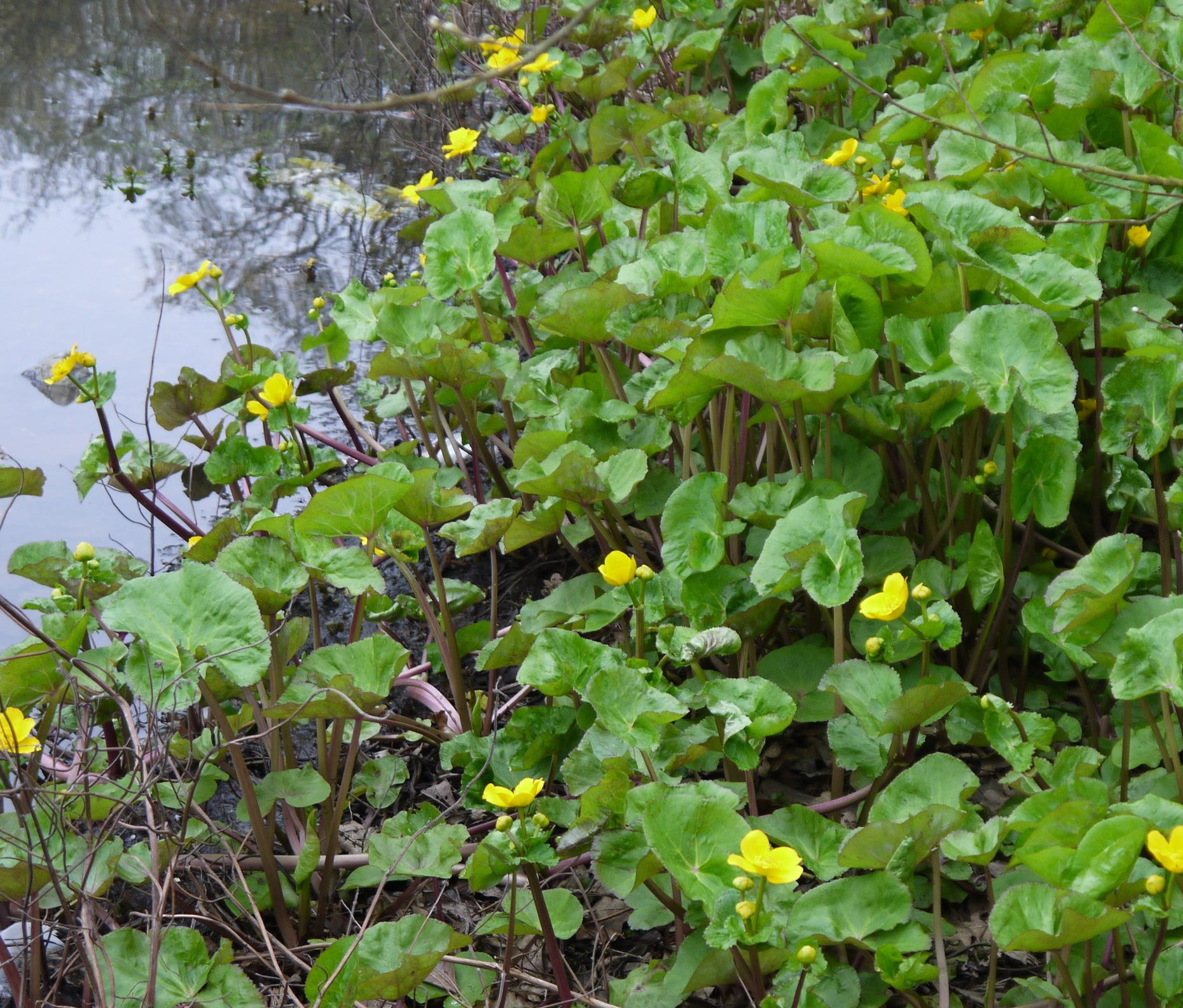
Marsh marigolds or kingcups brightening up the lake today.

That was about 10 years ago but, sadly, there are still many people who don’t believe in Reiki. And if they don’t believe in it, how can they possibly absorb it? By shutting down, they’re blocking off their own energy channels so that the healing Reiki energy doesn’t flow into them. And their disbelief becomes a self-fulfilling prophecy: they didn’t believe it would work – and it didn’t! Hence my response to the question at the beginning: Reiki works if you want it to.

Don’t get me wrong – I’m not one of those practitioners who slags off all conventional medicine. Drugs: bad – alternatives: good! Absolutely not. We live in the C21st and medical advances have saved millions of lives. But let’s not throw the baby out with the bathwater. Reiki has been around far longer than antibiotics, statins, beta blockers or chemotherapy. It’s not an alternative treatment to orthodox drugs but it does complement conventional medication. It is perfectly possible for the two to work hand in hand for the patient’s good.

Nowadays some hospitals have even introduced Reiki for cancer patients and those undergoing major surgery. And the complementary treatments are valued by both the patients and doctors. Yay!

Isn’t it about time we stopped dismissing the ancient arts and began working in harmony; with each other, within ourselves and with the Universe?

When we work in harmony – that’s when the real magic begins.